Food Systems Podcast 90
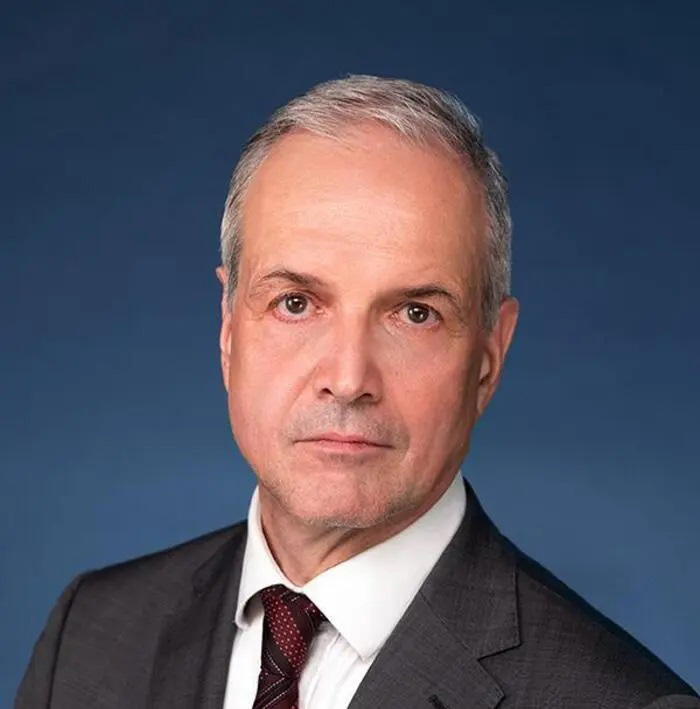
Interview with Jurgen Tack
Monday, Nov 24, 2025
In this edition of the Food Systems Podcast, Rose O’Donovan talks to Jurgen Tack, the Secretary General of the European Landowners’ Organization (ELO) about the Forum’s recent report on financing the transition to a more resilient and sustainable agri-food system . The conversation explores tensions, new approaches to public and private financing, the potential of nature credits, and ongoing debates around the future of the Common Agricultural Policy (CAP).
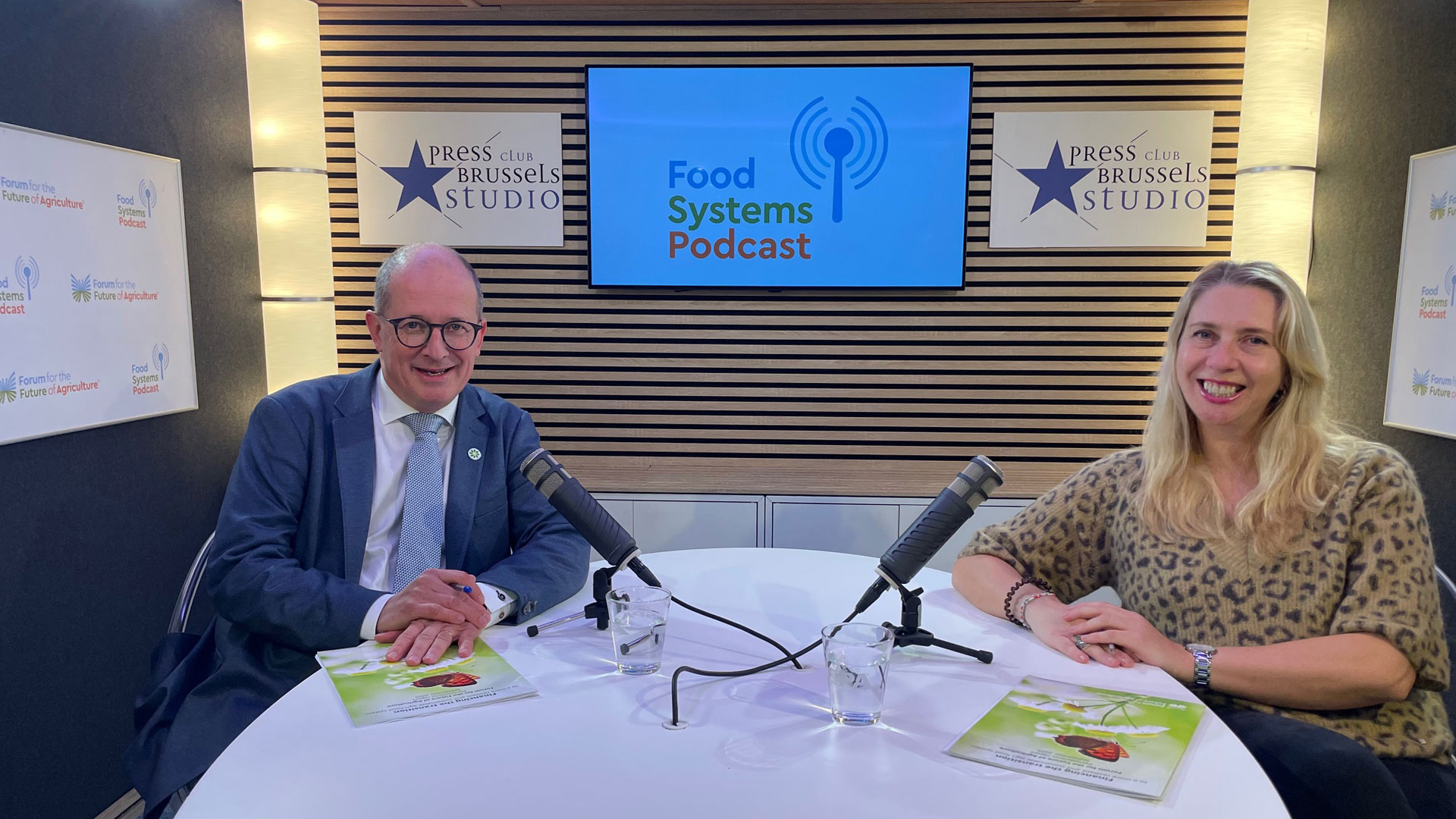
Here is a summary of the conversation.
We talk a lot about financing the transition. Do you have the answers, and what are the key challenges the report identifies?
We don’t have all the answers, but the report gives us a place to begin. Agriculture is essential for food security, yet it is at the root of climate change, biodiversity loss, and nitrogen-related problems. We need to tackle these environmental pressures while ensuring farmers remain economically viable.
You can’t ask farmers to do things which are too far-reaching or they won’t be able to cope or reach the targets. And they need consistency and predictability: they’re investing, often with loans of 30 years, and they can’t have a long-term perspective if policy keeps changing. The report brings a number of solutions and ideas to combine environmental needs with farmers’ economic and social needs.
The Forum report was built on extensive workshops: what are some of the solutions that emerged?
There are two immediate clear funding lines: public and private. The upcoming reform of the CAP discusses the public one. But private finance must play a much larger role, and the two streams must reinforce each other rather than operate in parallel. This means exploring public-private partnerships and better-designed markets for ecosystem services. Carbon markets showed the pitfall of excessive regulation, so we need to avoid the same mistake with new ideas such as nature credits.
How would nature credits work in practice, and how could they be scaled up?
ELO is developing its own nature credit scheme, and just setting it up reveals the complexity. You need to bring together committed private investors with willing farmers. The key is to ensure that farmers who invest in biodiversity receive a reward at least equal to their effort and cost. But outcomes can be unpredictable. I’ve seen a case where a farmer invested heavily in habitat creation, only for the target species to settle 500 metres away across a national border and the farmer was not recognized, because the target was reached outside of their land. So while opportunities are real, there are a lot of things to tackle.
Tell us how the European Landowners’ Organization is contributing to this whole debate about financing the transition.
ELO represents landowners, and for us land is capital, and maintaining or increasing that capital value often means investing in environmental measures. This can give us different perspectives from farming unions.
One of our initiatives is the Wildlife Estate Label network, developed with the European Commission. It recognises private estates that take positive action on biodiversity. We now have around 600 labels and nearly three million hectares under the network. The recognition has value; in some countries it also brings access to subsidies or preferential bank loans. As interest grows in nature-based credits, landowners need to be able to participate.
What’s next for this report? You’ve mentioned tensions: will the report exacerbate them, for example, with the European Board on Agriculture and Food (EBAF)?
This report is in line with the strategic dialogue, and it’s designed to bridge the gap between environmental organisations and farming organisations. It proposes solutions both sides can accept, which is exactly the mission of the Forum for the Future of Agriculture.
How do you view the proposed CAP reform, especially the “single fund” approach? Will it hamper the transition?
The single fund proposal is deeply problematic. Agriculture is the only common EU policy, which is why it has its own dedicated budget. If agriculture’s budget is merged into a wider fund, it could receive less with more going to other areas. A reduced CAP budget is one thing; but a system where funds can be easily redirected elsewhere is far more concerning. We see strong opposition across the political spectrum, from left to right, and, strikingly, environmental and farming organisations are aligned in that they all fear losing stability and long-term predictability.
Do you think this marks the beginning of the end of the CAP as we know it?
I’m afraid so.
Before we close, let’s look at the investment gap of an estimated €62 billion in EU agriculture. How can this be addressed?
We’re not trying to fill the gap directly. The gap will remain, and it will have consequences, including for some environmental goals. The priority is to create new funding opportunities that bring environmental and agricultural objectives closer together: for example through real, stable markets for ecosystem services. It’s not about compensating for missing money; it’s about changing the economic model so that environmental services have recognised, reliable value in international markets.
Read the report here https://forumforag.com/article/2025-financing-transition-report
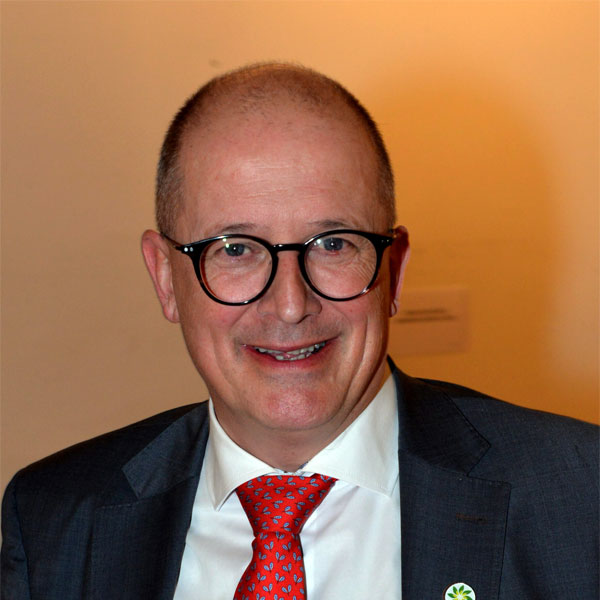
Jurgen Tack
Jurgen Tack studied biology (marine ecology) at Brussels Free University where he also obtained his PhD in...see more

Rose O’Donovan
Rose O’Donovan has been Editor of AGRA FACTS since March 2010, having previously served as Deputy Editor on the...see more