Food Systems Podcast 89
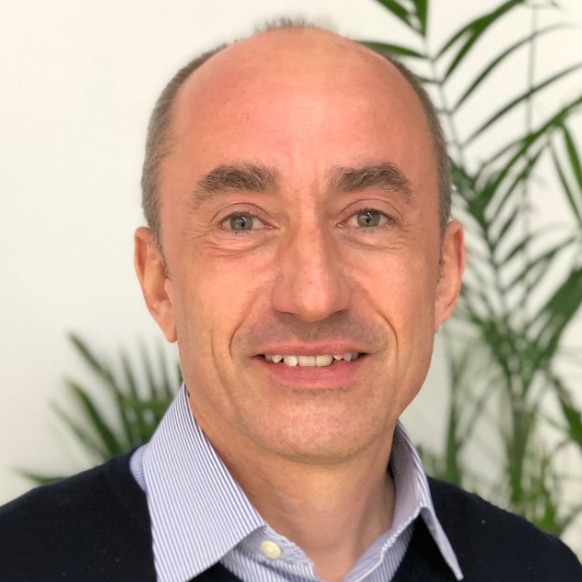
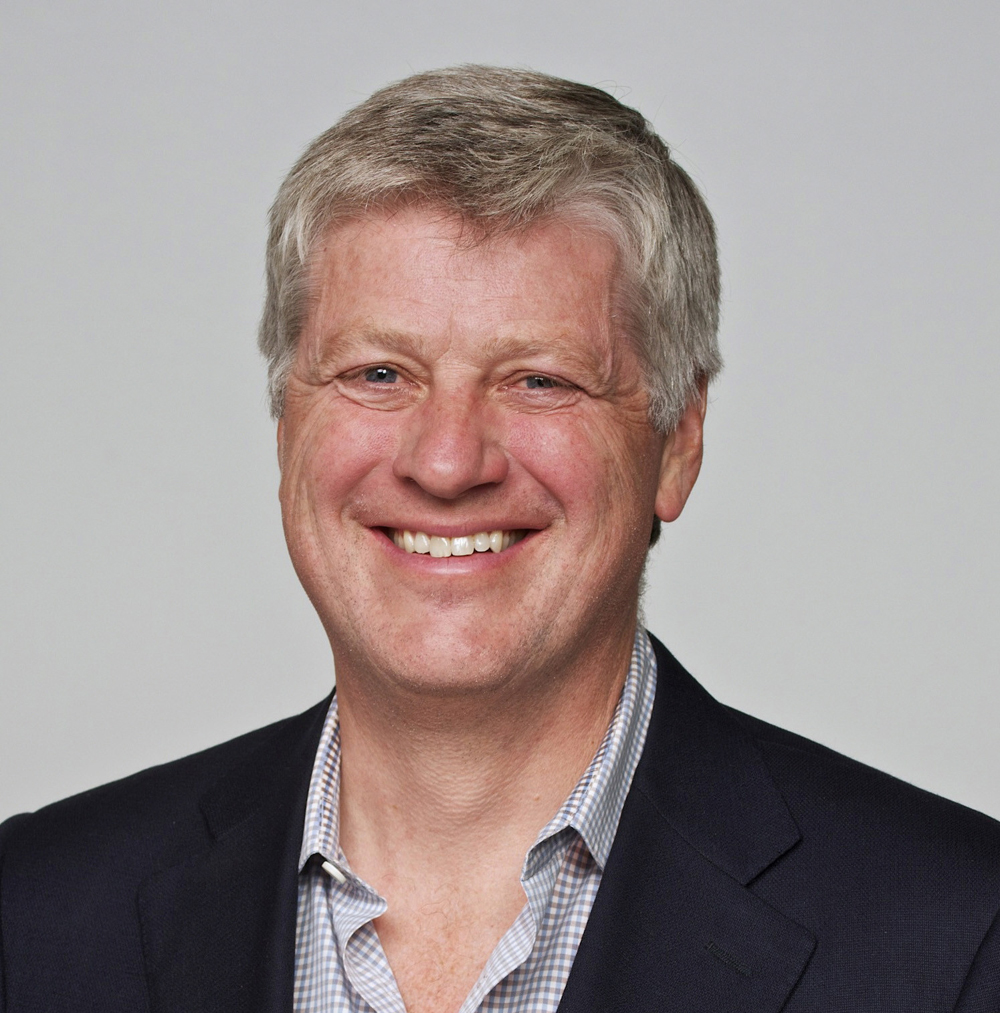
Interview with Professor Erik Meers and Laura van Schöll
Thursday, Nov 13, 2025
Ahead of the Forum webinar on the policy side of nutrient management, Alex Turk is joined by Professor Erik Meers of Ghent University and Dr Laura van Schöll of the Nutrient Management Institute in the Netherlands to explore efficient nutrient management and recycling in European agriculture. They discussed the EU-funded projects NutriBudget and ReNu2Cycle, which are developing ways to close nutrient loops, reduce losses, and move towards more circular food systems to minimize negative impacts on environmental and human health, and ensure sustainable food production.
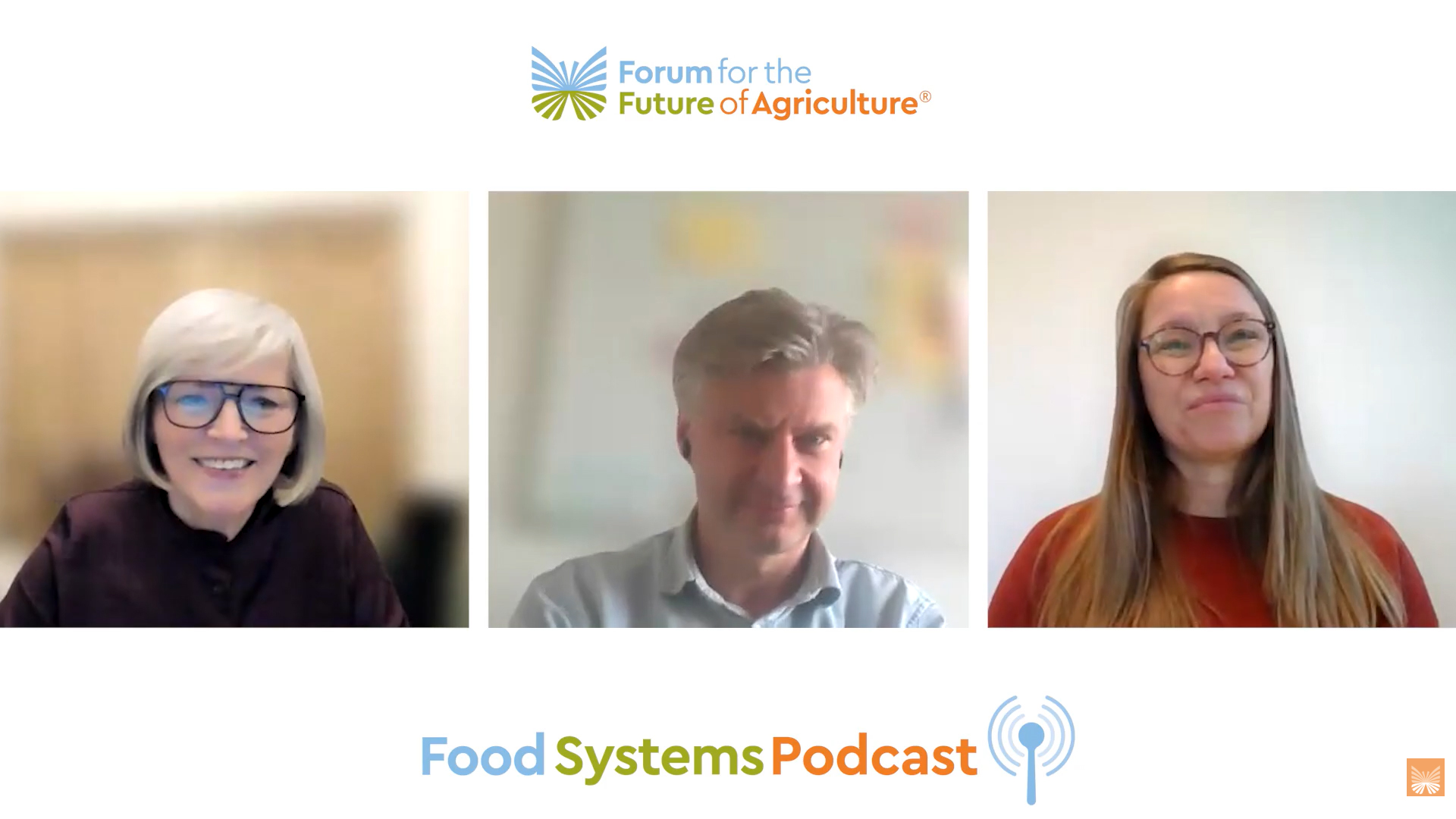
Here is a summary of the conversation.
The nutrient challenge is no longer just a farmers’ issue, but an environmental, political, and economic one. Can you explain the concepts of nutrient management and nutrient recycling, and why integrating them is so important in European agriculture?
Erik: We’re working in agro-food systems that are still imperfect. Many nutrients don’t end up in crops but leak into the environment, and we remain heavily dependent on fossil resources. For phosphorus, it’s excavated and we import it: more than half of our nitrogen comes from synthetic fertilisers produced from natural gas. When you combine resource dependence, geopolitical vulnerability, and environmental losses, it’s clear we need much more attention on circularity.
Laura: I agree. There are mismatches in the system. In ReNu2Cycle, we look not at losses in the field but across the whole chain. We harvest many nutrients, but we don’t recover enough of what’s lost, especially nutrients in human excreta, which still end up in the sea. We need to recover these flows.
How do initiatives like ReNu2Cycle help recycle organic waste streams, like manure, like compost, digestate? What does it take to safely close the nutrient loop on farms?
Laura: Farmers already use their own nutrients such as manure, and many more recycled materials are now becoming available further along the food chain – but they are not integrated. Farmers need to be aware of these materials and confident that they are safe. We need to show them how to use recycled fertilizers through trials and experiments, and we need a legal framework. Farmers won’t use a material just because we say they can. And they may have to adjust their ways of working.
Why has nutrient management become such a pressing issue today in agriculture and environmental sustainability?
Erik: Our dependence on fossil-based nitrogen has grown tenfold over the last seven decades, which means we’ve injected a huge amount of reactive nitrogen into the ecosphere. A lot of it goes into our water bodies, causing eutrophication, algal blooms, and biodiversity loss. Freshwater and marine habitats are changing dramatically, with more dead zones appearing around the world. We need to make the system less leaky and shift from fossil-based inputs to circular ones, and use innovative technologies like precision farming.
Can you share some practical experiences from NutriBudget and ReNu2Cycle and the opportunities and challenges emerging from pilot sites?
Erik: We aim to reconnect animal production and waste producers back into the plant production cycle. We set up pilots on selectively extracting and upcycling mineral nutrients, and make new fertilizers. We look at processes, we look at products, at the composition, and they react in soil, as well as greenhouse gas emissions. We show farmers the crops are still growing well, are of sufficient quality, and cheaper and more sustainable.
Laura: We look for the hurdles, like strict waste regulation, reluctance, even new machinery and legal issues. Policy makers aren’t always connected to what happens on the ground, so we bring them information through papers and dialogue to raise awareness.
Looking ahead, what innovations or solutions seem most promising for sustainable nutrient management?
Laura: From a legal perspective, the EU’s focus on circular economy is important. It will stimulate the market, though today the circular fertilizer market is fragmented and difficult to access. Producers want legal certainty and a level playing field between synthetic and recycled fertilizers, and across countries. And we need harmonisation of rules.
Erik: Technologically, Europe is already quite innovative, but technology is more advanced than legislation. Farmers know how to use these products, and equipment is evolving to handle them. The real challenge is legislation. Older regulations excluded plant- and animal-based materials, but over the last decade Europe moved towards circularity – the new Fertilising Products Regulation allows different product categories to improve nutrient uptake, with due attention to quality. We need to pick up the pace of updating legislation.
How can projects like NutriBudget and Renew2Cycle help bridge the remaining gaps?
Erik: By providing science-based policy feedback and taking it directly to ministries and to the Commission. We highlight where wording or articles need adjustment to harmonise legislation and make sustainable development possible. Convincing farmers and supporting innovators are important, but so is adapting the policy framework.
Finally, what would be your call to action?
Erik: Manure and RENURE, recovered nitrogen from manure. Europe produces vast quantities of manure, often seen as a burden, but it’s a major resource and the potential is huge.
Laura: Legal certainty, harmonisation, and continuous improvement of legislation. And clear communication, so farmers, producers, and policy makers understand the value and use of recycled nutrients.
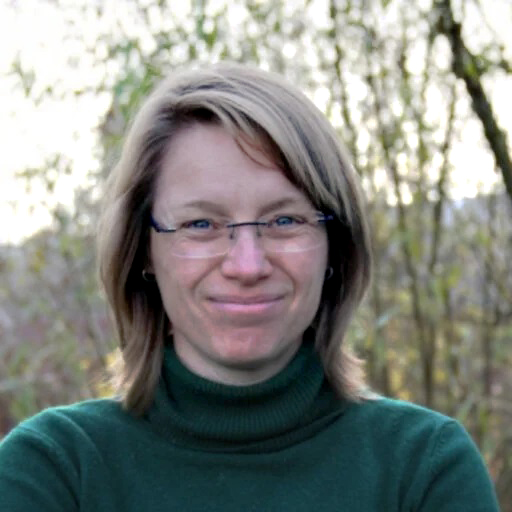
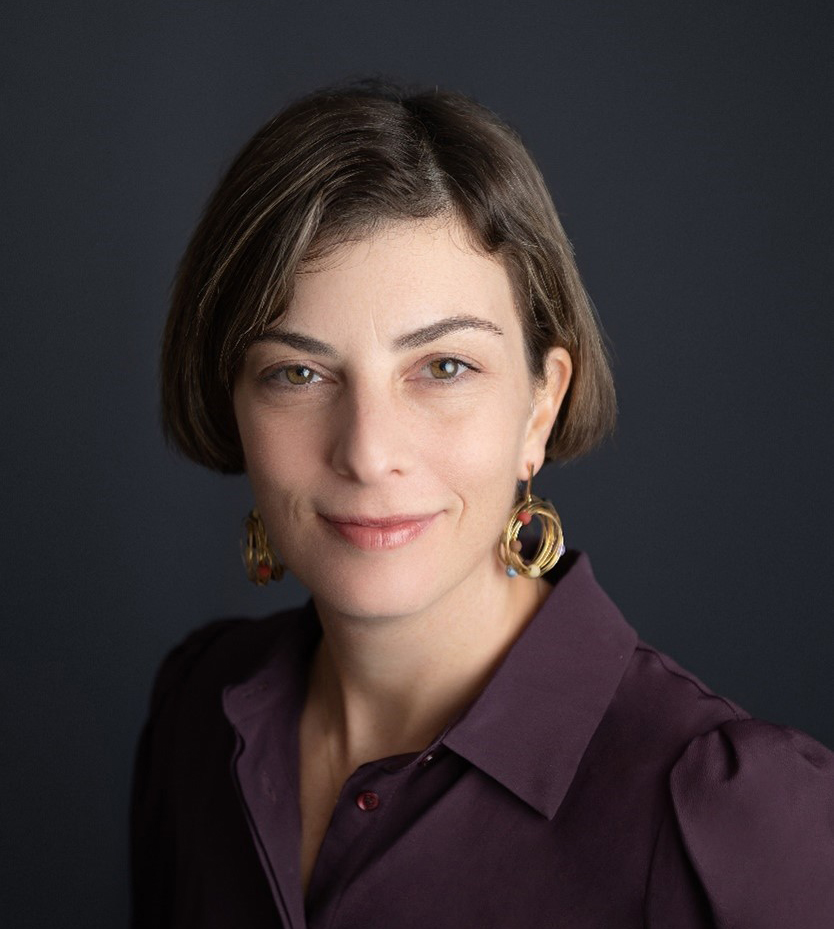
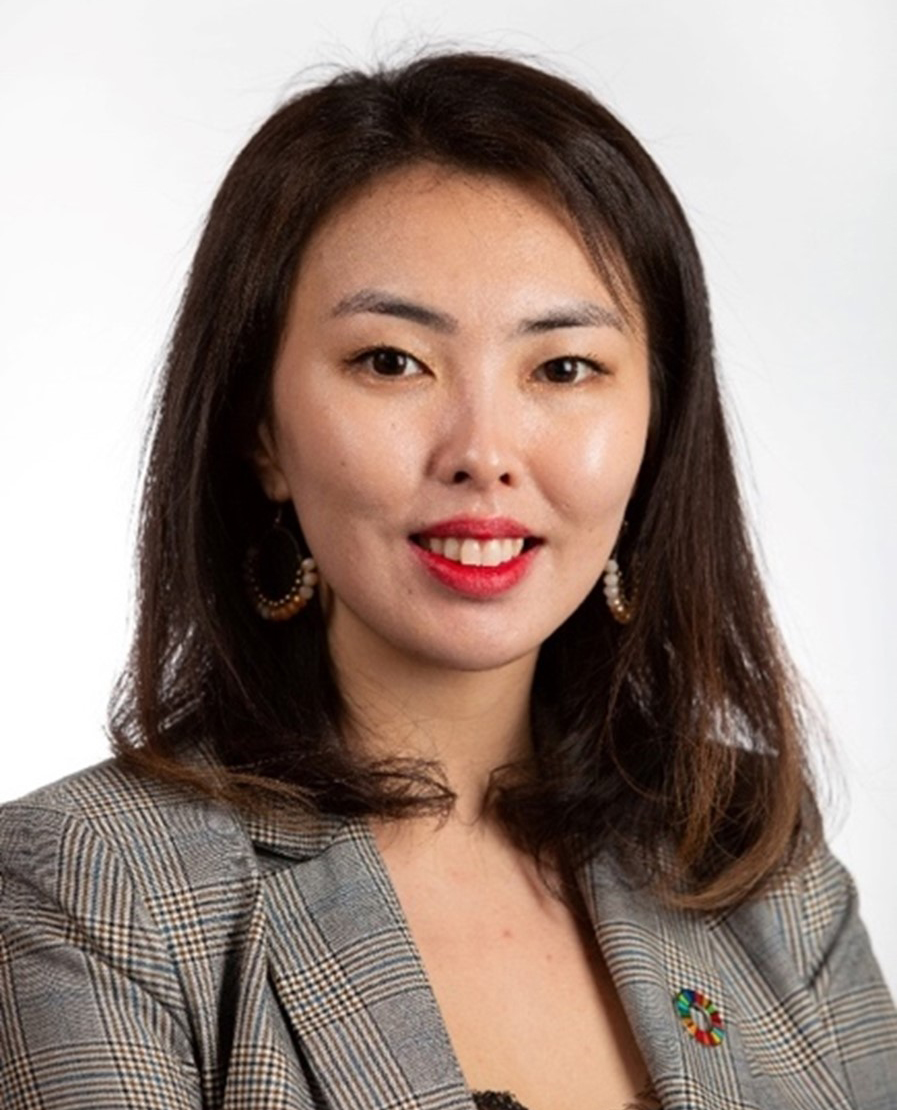
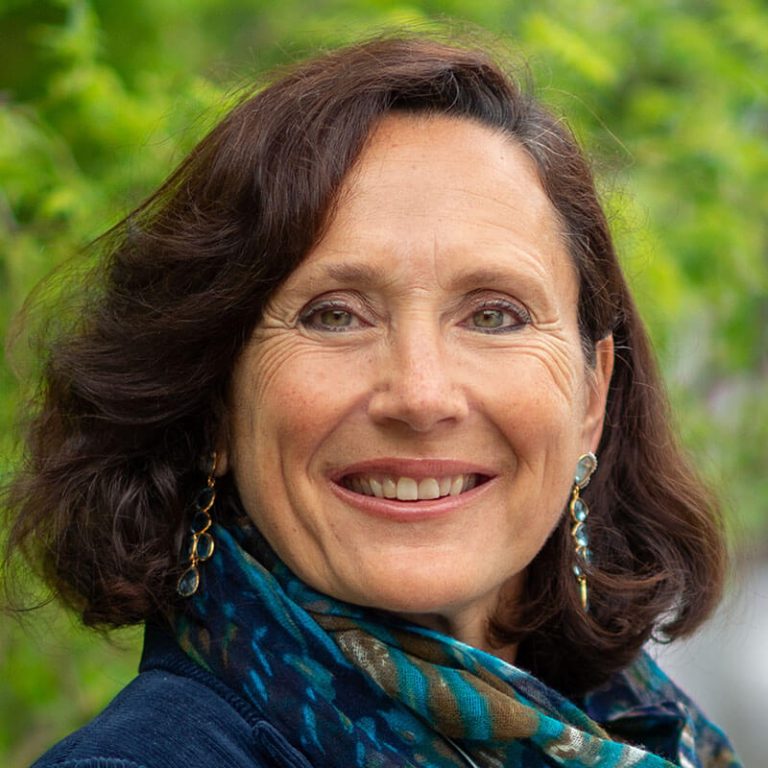
Laura van Schöll
Laura van Schöll is senior expert on circular fertiliser regulations at the nutrient management institute NMI in...see more
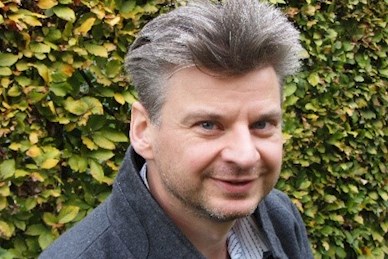
Erik Meers
Erik Meers is a professor at Ghent University in Belgium. He is specialised in the biobased circular...see more
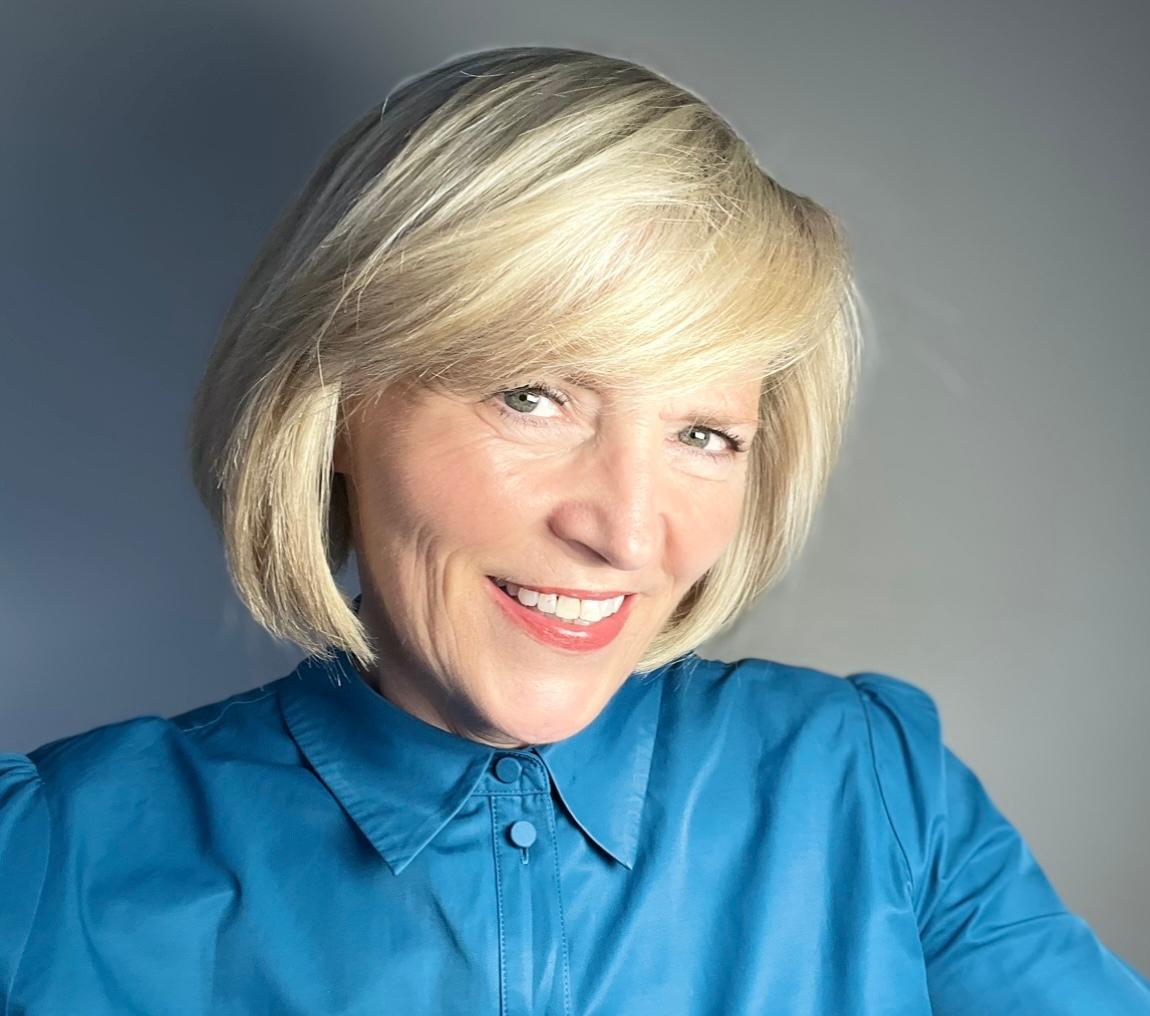
Alex Turk
Alex Turk has worked in television presenting live, recorded and Business TV from ITN, Channel 4 News...see more