Food Systems Podcast 103
Interview with Nomindari Enkhtur
Tuesday, Aug 18, 2026
In this interview, Nomindari Enkhtur, CEO of the Mongolian Nature’s Legacy Foundation, reflects on the inspirational talk she has just given at the forum on resisting climate-related impacts such as desertification, drawing on Mongolia’s experience. A sustainable finance expert, Nomindari discusses the commonalities between Mongolia’s challenges and those faced elsewhere, the threat to the country’s nomadic way of life, and the Mongolian concept of the “eternal blue sky” as a call for greater collaboration.
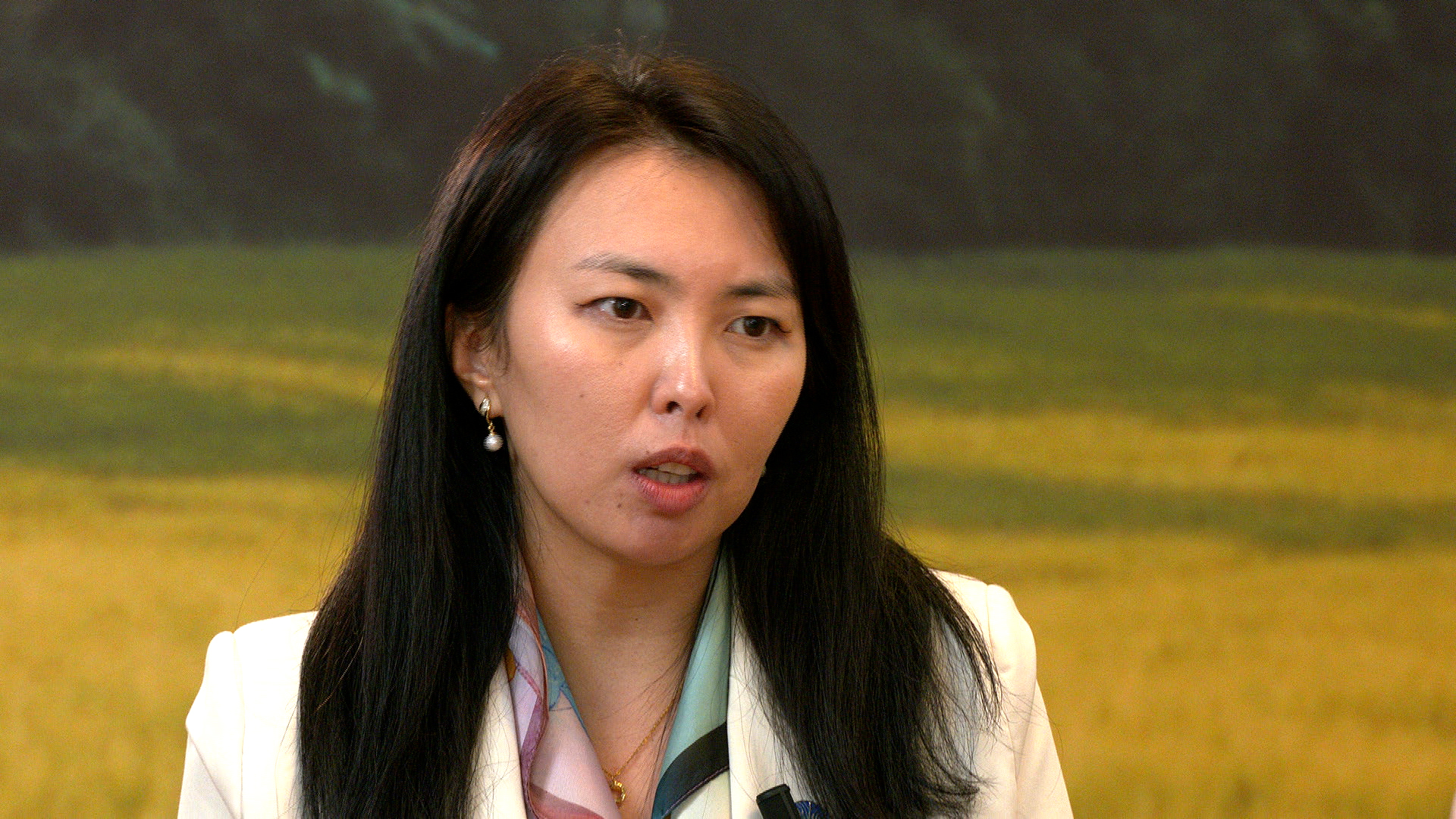
Q: What was your main message to the Forum today?
Nomindari said that despite Mongolia’s very different context — a population of just three million spread across a vast landmass, with an economy dependent largely on livestock rather than farming — the country faces essentially the same challenges around climate change, environmental degradation and biodiversity loss as elsewhere, and needs similar solutions. She pointed to Mongolia’s work on integrated financing mechanisms that blend government, private and philanthropic funding as directly relevant to the forum’s themes, particularly as public funding declines and priorities shift elsewhere. She said the shared need is to work jointly to ensure every dollar spent is used efficiently and leverages additional sources of funding.
Q: As a sustainable finance expert, are you finding more commonality than difference? How far along are we in turning climate complexity into competitive advantage?
Nomindari said the honest answer is that progress remains far behind where it needs to be, acknowledging that action started late — though she stressed it isn’t too late to act. She noted the difficulty of pursuing long-term climate goals while moving from one crisis to another in an especially turbulent period, but argued the key lesson is a need for greater resilience — not just in climate and environmental action itself, but in policy direction, so that future shocks don’t derail the underlying agenda. She said this is achievable if pursued in a phased, stepped approach.
Q: Mongolia’s nomadic way of life is under threat because of this. Can you tell us more?
Nomindari described the situation as genuinely difficult. While climate change remains disputed in some countries, she said it is visible and felt throughout Mongolia. She explained that around 30% of Mongolia’s population still lives a traditional nomadic lifestyle, moving with the seasons, living in yurts, and practising rotational grazing — a way of life inherently built around sustainability and deep dependence on nature. However, Mongolia is warming at roughly twice the global average, and around 80% of its land has been degraded in some form. This creates severe hardship for nomadic communities, who face drought in warmer periods and extreme winter storms in colder ones, often losing their livestock and being forced to migrate to cities. Nomindari, who was born in the city herself, noted that urban areas are also affected as a result, facing pressure from informal settlements, unemployment, pollution and health issues — creating a cycle she said needs to be broken in order to find a more stable path forward.
Q: One of your messages was about working together, referencing the Mongolian concept of the “eternal blue sky.”
Nomindari explained that the blue sky holds deep significance for Mongolians, and is often invoked as a reminder that despite differing challenges, views and cultural, political and other interests, everyone ultimately exists under the same sky and is bound by the same laws and principles of nature. She said the underlying message is that people need to learn to live in harmony not only with nature but with each other, since humanity is itself part of nature — and that moving forward should mean celebrating greater collaboration and joint action.
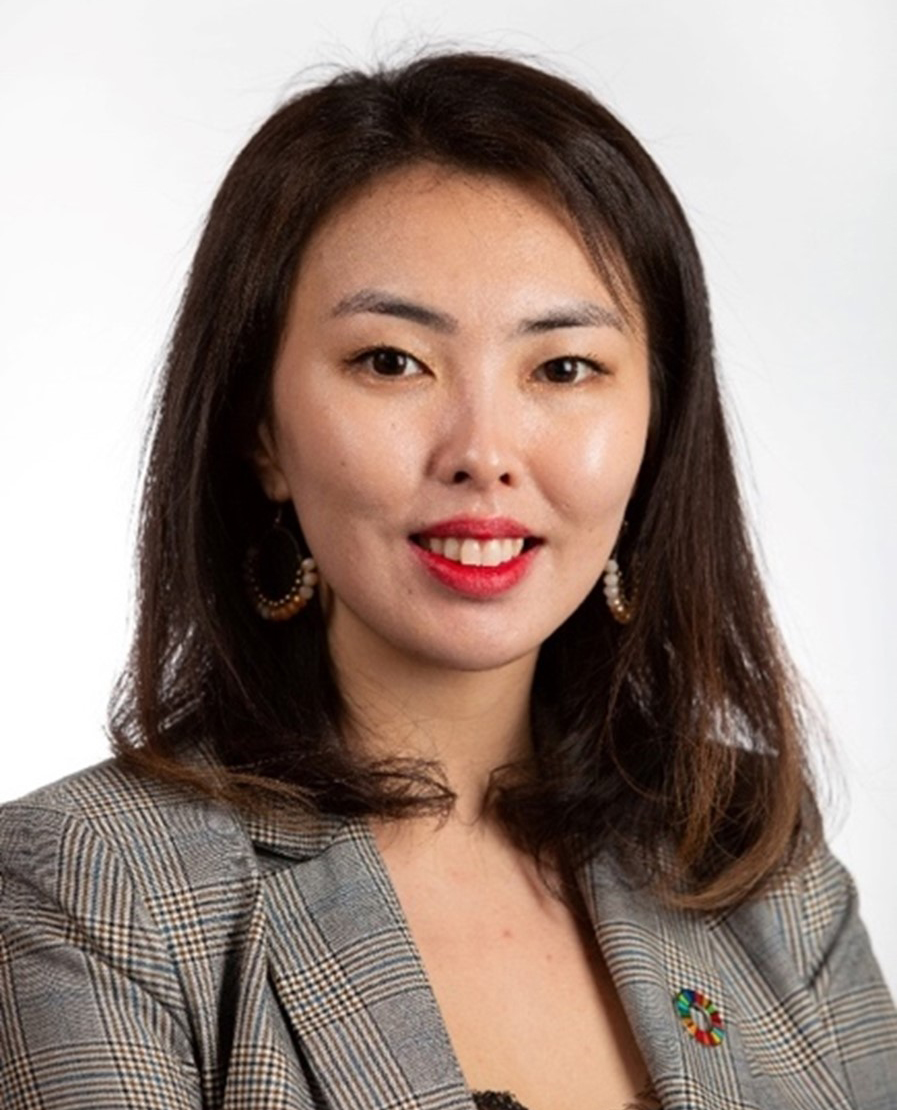
Nomindari Enkhtur
Nomindari currently serves as CEO of the Mongolian Nature’s Legacy Foundation (MNLF), an environmental trust fund established in 2024 as...see more

Alex Turk
Alex Turk has worked in television presenting live, recorded and Business TV from ITN, Channel 4 News...see more