Food Systems Podcast 105
Interview with Michael Brückner
Tuesday, Aug 25, 2026
In this interview, Michael Brückner, CEO and Board Member of Munich Re Investment Partners, discusses financing and accelerating the transition to nature-positive outcomes on the ground. Michael reflects on why correctly pricing nature-related risk is a matter of corporate survival for his parent company, what’s needed to bring greater consistency to sustainability risk assessment, and why he sees available private capital, not lack of will, as less of a barrier than the absence of a clear path forward.
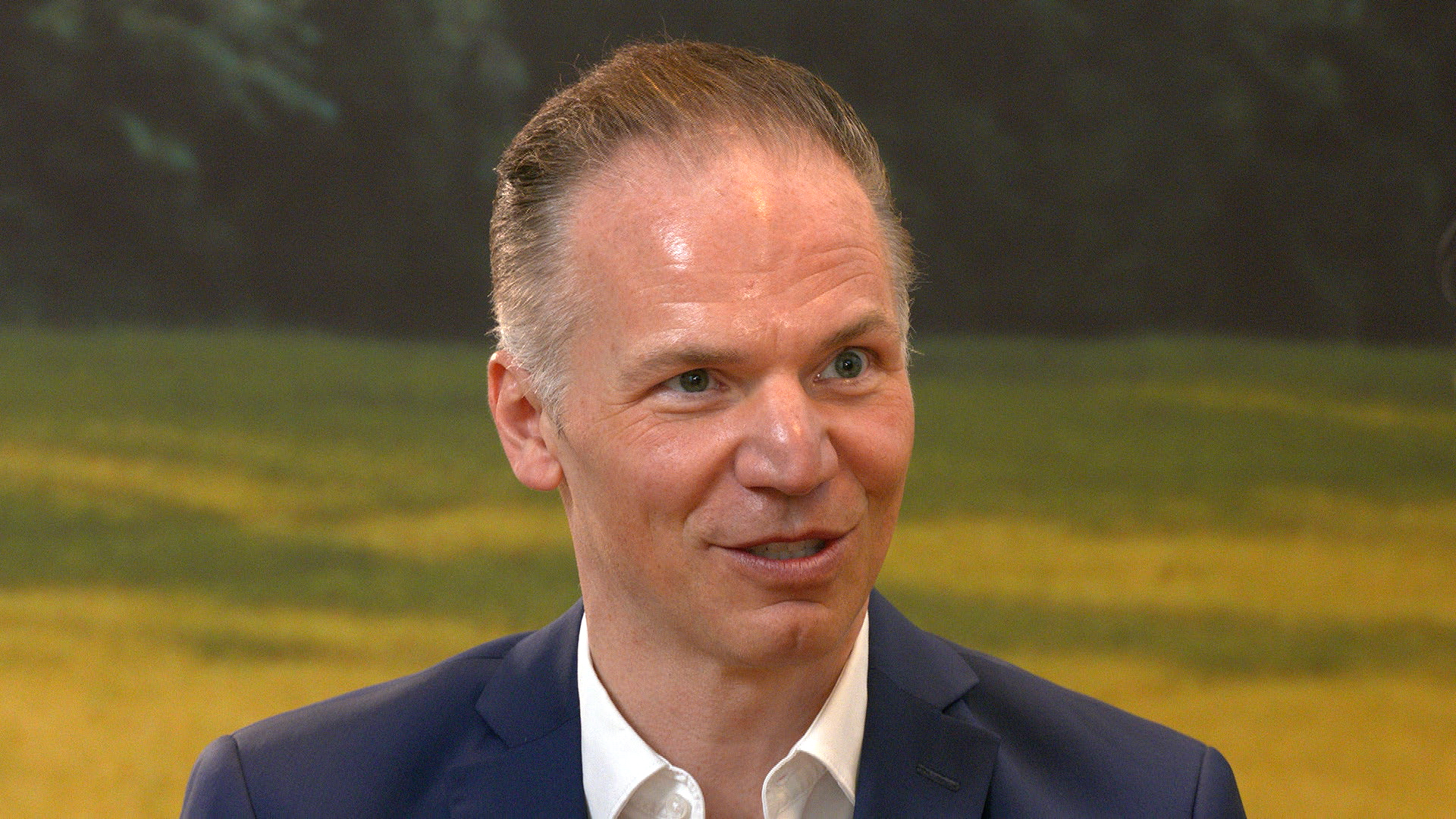
Q: You’ve said you’re committed to driving change and have just been discussing financing and accelerating the transition on the ground. Where are things at with that?
Michael said the industry is still at the early stages of this journey. While there’s a lot of market activity, he doesn’t yet see the underlying gravity genuinely shifting. He framed this as a mission closely tied to his parent company’s core business of assessing climate and nature risk correctly, describing it as ultimately a matter of corporate survival, with his role being to translate those risk insights into investable solutions that properly account for these factors.
Q: The tools exist to measure this, but making nature genuinely visible in financial terms isn’t easy, is it?
Michael agreed it’s far from easy, but said that shouldn’t stop the effort. He argued that nature-positive actions need to be properly priced, not treated only as a cost — if a landowner improves their land or agricultural assets in ways that increase resilience, and others (such as utilities or other beneficiaries) gain an upside from that action, correct pricing should reflect the full value created, rather than leaving those benefits unaccounted for on balance sheets where they don’t belong.
Q: You said the industry is at the start of this journey. What’s the next step to move the dial and get nature properly reflected on the balance sheet?
Michael said his organisation already has a solid research-based understanding of the risks involved and how they can be modelled and affect mainstream investment, but that isn’t sufficient on its own. He argued the broader market needs a shared understanding that this is a genuine issue requiring collective action, with agreement on common risk patterns and a consistent view of the current situation. He compared this to credit rating agencies, where the dispersion between different agencies’ ratings is minimal, unlike in sustainability ratings today, where outcomes vary substantially between assessors — a gap he said needs to close.
Q: You told the Forum that private capital won’t be available for nature-positive outcomes overnight.
Michael said one of the Forum’s key strengths is bringing together people from very different backgrounds who often discover they’re working toward the same goal, which he found genuinely useful for identifying complementary initiatives. He argued that capital itself isn’t the constraint — it’s available, and the will exists — the real gap is a clear path forward for how to engage, which fundamentally comes down to pricing.
Q: Finally, how important is the Forum to you? The debate in this space can be siloed and polarised — did you enjoy it and learn something?
Michael said he found real value in meeting a different set of people than he typically encounters in traditional finance — particularly hearing directly from those on the ground who own or manage the assets his sector may invest in. He described it as a genuinely valuable dialogue and thanked the forum for the opportunity.
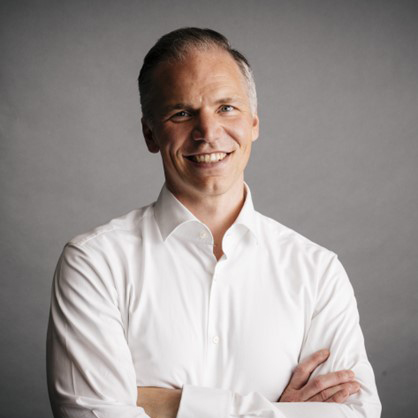
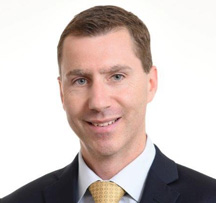
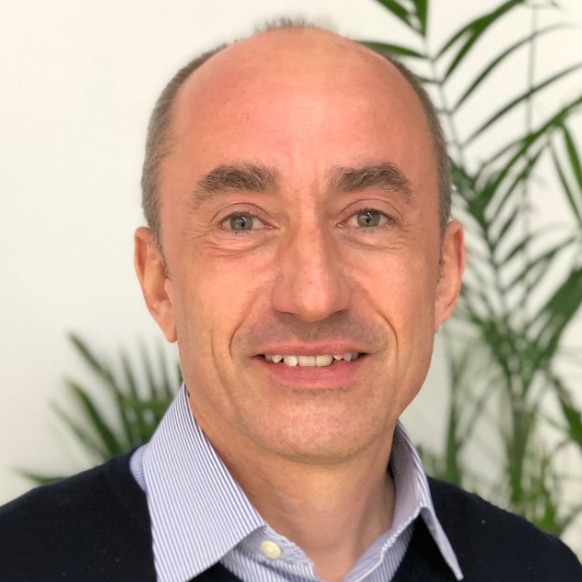
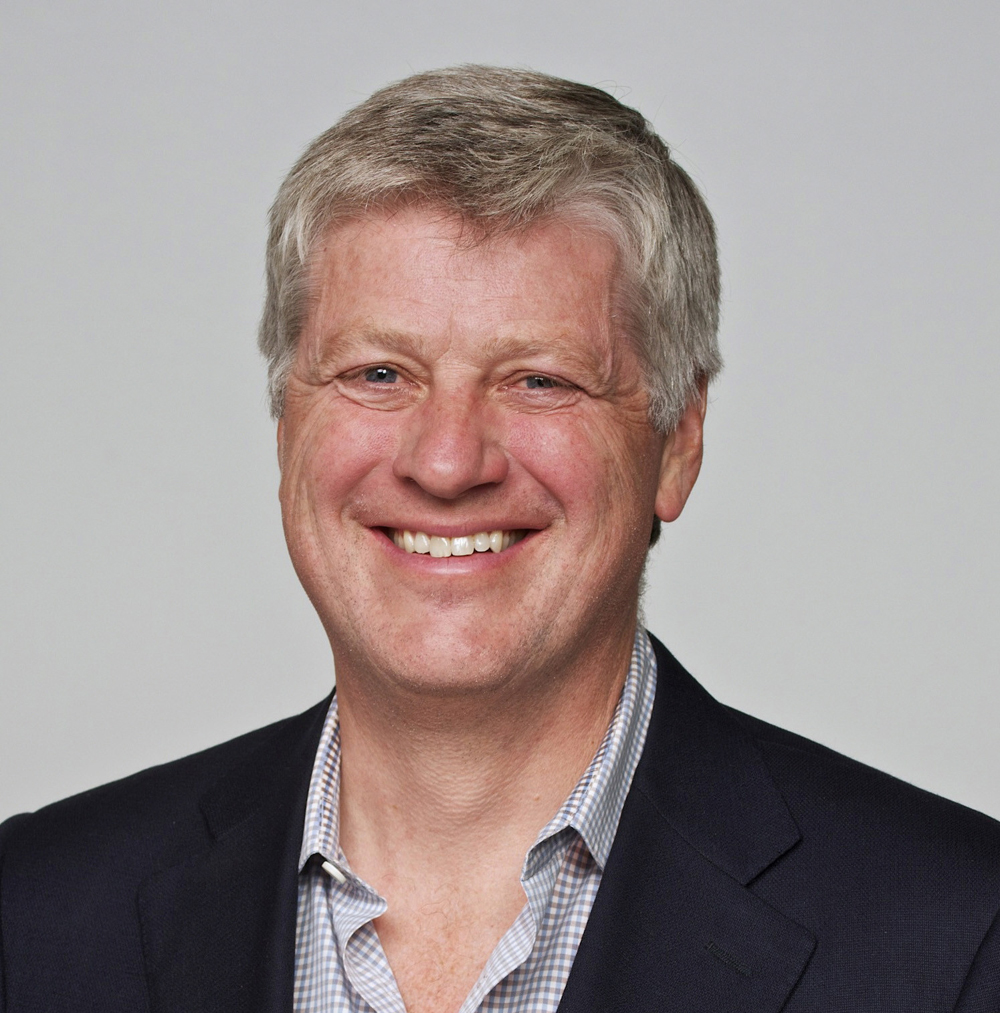
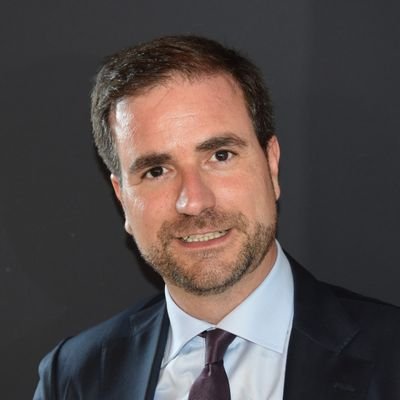
Michael Brückner
Michael Brückner is the Chief Executive Officer and a member of the Board of Directors at Munich...see more

Alex Turk
Alex Turk has worked in television presenting live, recorded and Business TV from ITN, Channel 4 News...see more