Food Systems Podcast 101
Interview with Ethan Soloviev
Tuesday, Aug 11, 2026
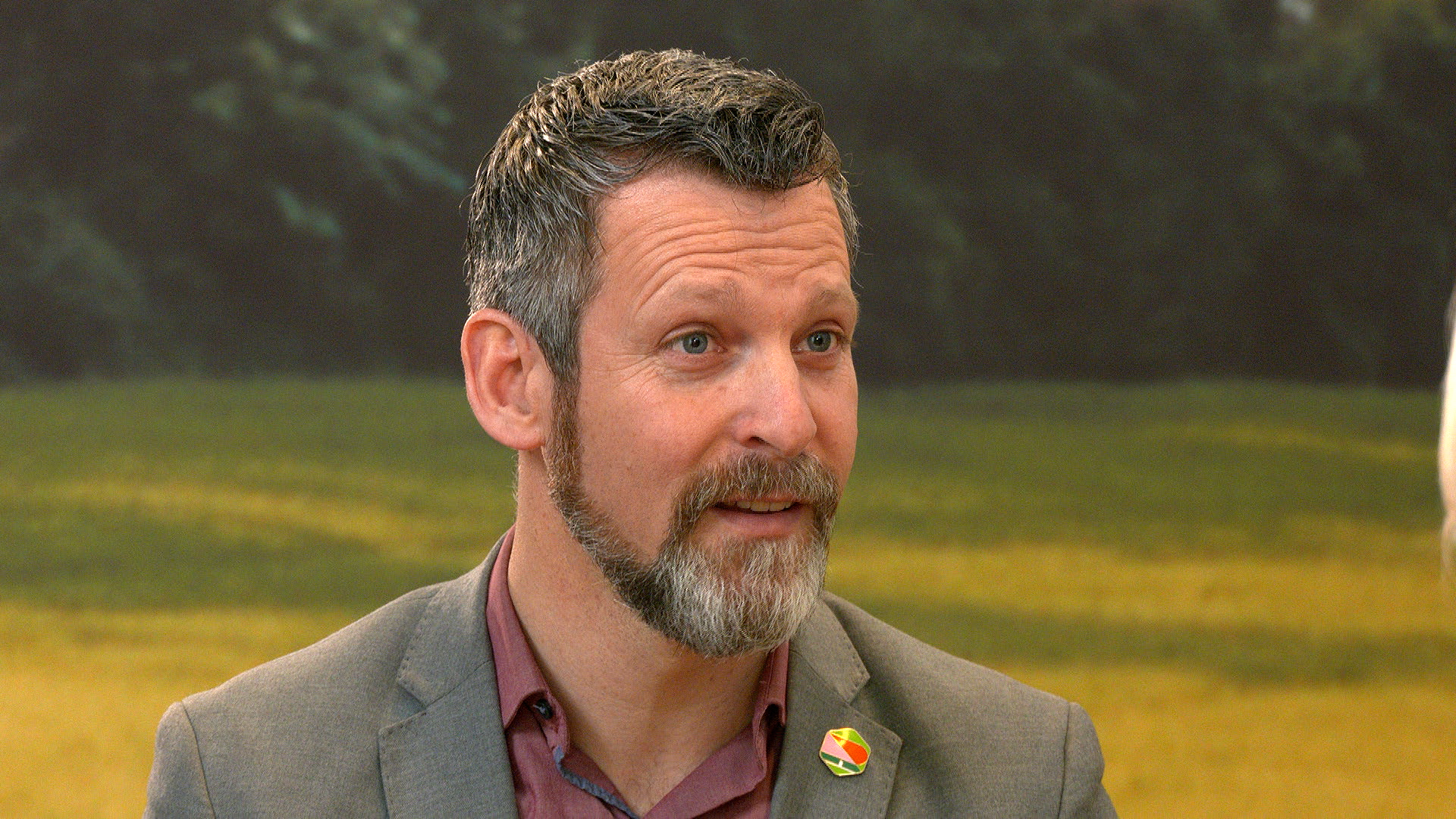
In this interview, Ethan Soloviev, Chief Innovation Officer at HowGood, a sustainability research company, reflects on his Annual Conference panel about how AI will redefine what’s possible in the agri-food system. Ethan, who also runs High Falls Farm, discusses whether the 1.5°C climate target is still achievable, the risks and energy costs of AI, why agricultural training data needs to change, and his “moonshot” idea for long-term food system planning.
Q: Urgency is always a theme at the forum, and the 1.5°C target is probably gone. How does HowGood approach that question, and what can be done?
Ethan pointed to the coordinated global response during COVID as evidence that rapid, large-scale scientific progress is possible when the will exists, and suggested a similarly coordinated level of investment could still keep 1.5°C within reach, even if it’s uncertain. He noted that solar energy has already beaten every prediction on cost and speed of adoption, showing how quickly underlying economics can shift. He argued that climate, biodiversity and farmer economic livelihoods are nested together, and that the food system got into its current difficulties by over-optimising for single variables in isolation. He said AI now makes it possible to optimise holistically across climate, nature and people at once, something that was previously too computationally difficult.
Q: On the panel you were firmly of the view that AI is more a beacon of hope than an existential threat. Is that right?
Ethan confirmed that was his position on the panel and largely his general view, though he said he isn’t immune to concerns about existential risk and believes everyone should be actively experimenting with and studying AI. He described agentic AI’s speed as striking, citing tasks that once took his research team four weeks now taking four minutes with a single prompt. He acknowledged that researchers don’t fully understand some of the emergent properties appearing in new models, but argued the answer isn’t to stop and retreat — it’s to lean in, alongside regulation that moves at pace toward agreed forward-looking outcomes rather than pausing everything until certainty is reached, which he said is unrealistic given how fast the technology is moving.
Q: People worry about deepfakes, disinformation, and AI’s environmental footprint — the energy and water demands, with quantum computing adding more cooling needs. How do you square that circle?
Ethan said this isn’t a solved problem, even for the largest tech companies. On energy, he said there’s a credible path forward, since renewable energy is now cheaper economically without subsidy. Water is a bigger open issue: he doesn’t see relocating data centres into space as the near-term answer, and argued instead that data centres should be held directly accountable for their water use and required to fund regenerative agriculture and land restoration so that more water is generated than they consume. He acknowledged this isn’t happening yet, and that current regulatory and economic structures don’t yet favour it, but said it’s necessary work to offset the “water debt” being created.
Q: Given the added pressures of unrest, disruption and war on water, energy and food security, farmers are nervous about AI. As a farmer yourself at High Falls Farm, do you see AI as a force for good, and do you use it in your own regenerative agriculture work?
Ethan said he believes robotics at scale are still five to six years away, but the area AI is already reshaping fastest on his farm is decision-making — mental models, the speed of gathering information, and choosing which direction to take.
Q: But doesn’t getting good answers depend on asking the right questions, since it’s essentially pattern matching?
Ethan agreed, but said this is exactly why training data matters. He argued AI needs to be trained specifically on agroecological, regenerative and agroforestry literature, rather than primarily on the industrial, monoculture, yield-focused data that dominates current models. He said this is what he needs on his own farm, and what smallholder farmers and others transitioning to more sustainable practices need too — a more holistic dataset rather than one that keeps optimising purely for yield and cost reduction. He noted models are increasingly able to prompt users with alternative considerations, though he cautioned this must be balanced against the risk of AI diminishing critical thinking. He said his overall bullishness partly reflects the reality that stepping back isn’t a realistic option, since extractive industries and other actors are already using AI heavily — so he wants farmers, fisherfolk and ranchers with a deep connection to land to bring that sensibility into shaping AI, rather than ceding the space entirely to purely synthetic, machine-driven approaches.
Q: Finally, what would be your moonshot, and what’s your one closing thought on where you see progress?
Ethan said that sitting in Brussels and thinking about policy cycles of seven or fourteen years brought home how little genuinely long-term planning — on 50-, 100- or 200-year horizons — exists for the food and agriculture system. His moonshot idea is a new, confederated global think tank that uses AI and large ecological models to produce 50-year plans for food and agriculture, working faster and more effectively than existing think tanks and policy groups. The aim, he said, would be to set a clear guiding goal of food that is affordable, nutritious and delicious while also capturing carbon, enhancing biodiversity and lifting farmer incomes — and to shift policy, particularly in Europe, toward that goal rather than simply trying to slow harm, which he said won’t work fast enough on its own.

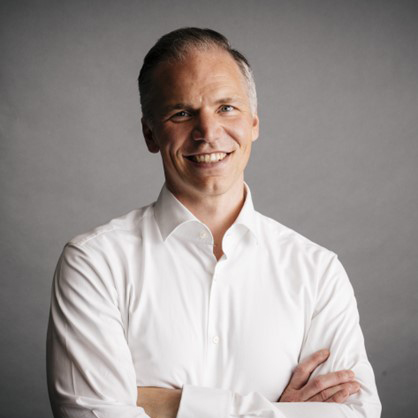
Ethan Soloviev
Ethan Soloviev is Chief Innovation Officer at HowGood; Co-Founder of Regen House; and President of the Institute...see more

Alex Turk
Alex Turk has worked in television presenting live, recorded and Business TV from ITN, Channel 4 News...see more