Food Systems Podcast 102
Interview with Sandrine Dixson-Declève
Thursday, Aug 13, 2026
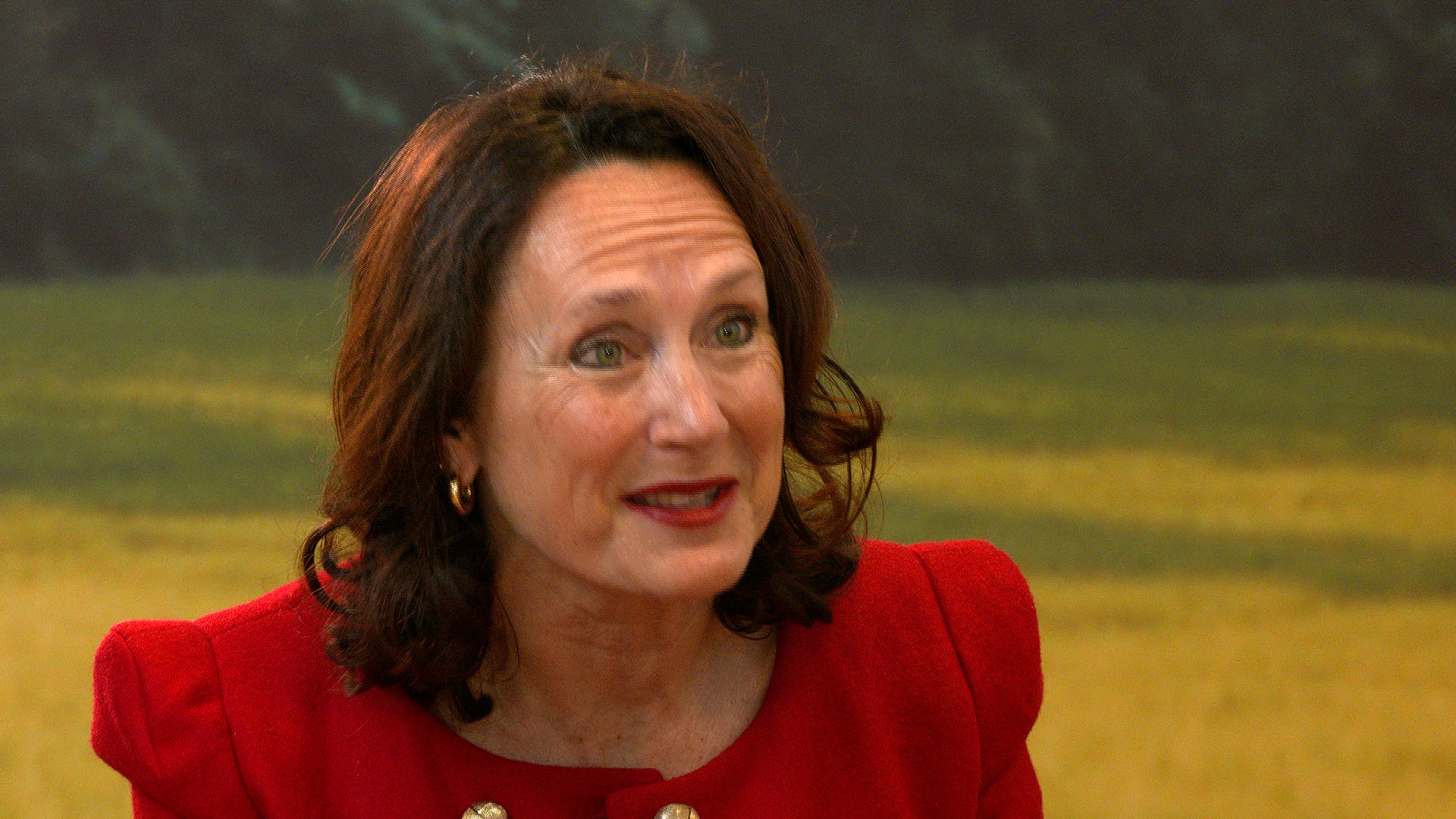
In this interview, Sandrine Dixson-Declève, Global Ambassador for the Club of Rome and Executive Chair of Earth for All, reflects on the Annual Conference panel she has just taken part in, titled “The end of the World as we know it” and its consequences for agriculture and the environment. Sandrine discusses the Club of Rome’s food and energy “turnarounds,” the missing voice of citizens in food policy debates, the case for greater localisation of food production, and the urgent policy action she believes is needed to protect the most vulnerable from the current energy and fertilizer crisis.
Q: Why was it important for you to speak at the Forum today?
Sandrine explained she was invited by Forum Chairman Janez Potočnik, a co-founder of the Systems Transformation Hub, and noted that food has long been part of what the Club of Rome calls the “human problematik.” During her six-year term as one of the Club’s first female presidents, beginning ten years ago, the organisation marked the anniversary of its seminal Limits to Growth report by identifying five key “turnarounds” needed for the 21st century, including food and energy transformation. She said today’s crisis sits exactly at the intersection of those two systems, both of which need to become more resilient to shocks, and stressed that when food or energy becomes unaffordable or unattainable, it is the poorest and most vulnerable — including in parts of Africa — who are hit hardest.
Q: The panel’s title was “The end of the World as we know it” and its consequences for agriculture and the environment. What resonated with you on stage?
Sandrine said she doesn’t see this as the end of the world as we know it, since these pressure points have been anticipated for a long time — pointing to her work advising the European Commission, alongside former Commissioner Janez Potočnik who chairs the Forum, on more systemic approaches to agriculture, land use and energy. She said one thing missing from the discussion was the citizen perspective: food policy conversations tend to get caught up in politics rather than starting from citizens’ lived experience. She cited her role on the board of a new global assembly that gathered testimonials from citizens and assembly leaders across more countries than the G20, exploring how food supports people’s lives and livelihoods. The feedback consistently showed that people see affordable, nutritious, green food as a fundamental right, and that localisation of production is seen as a key solution. She linked this to shifting ocean current patterns in the Atlantic affecting Europe’s winters, arguing this makes it essential to rethink what is produced locally, how it can be regenerative, and how Europe partners with suppliers such as Africa to support local production while sustaining export relationships.
Q: Urgency is a recurring theme at the forum. It’s planting season, but diesel and fertilizer are scarce or unaffordable. How worried should we be, and can policymakers act fast enough?
Sandrine expressed frustration that recommendations made at the start of the invasion of Ukraine — when energy and fertilizer costs first spiked alongside mineral supply chain problems — called for support structures and faster diversification, but were largely not acted on, leaving the world in an avoidable crisis. She said the priority now is ensuring the burden doesn’t fall predominantly on citizens already struggling, through measures such as short-term loans for farmers and rural communities and keeping prices at manageable levels. She argued this should be funded by taxing windfall profits from oil and gas companies, which she said amount to around $2.8 billion a day untaxed, and by addressing the roughly $7 trillion in global fossil fuel subsidies, rather than continuing to burden those with the least. She connected this to the upcoming Santa Marta Conference in Colombia on fossil fuel phase-out, arguing any phase-out must be paired with just transition funds to bring people along. She also referenced a past proposal to the European Commission for European bonds or direct payments to citizens, drawing a comparison to the US stimulus checks issued under both the Trump and Biden administrations, and argued that amid rising populism and anti-Europeanism, this kind of direct support could help citizens feel recognised and supported by the EU.
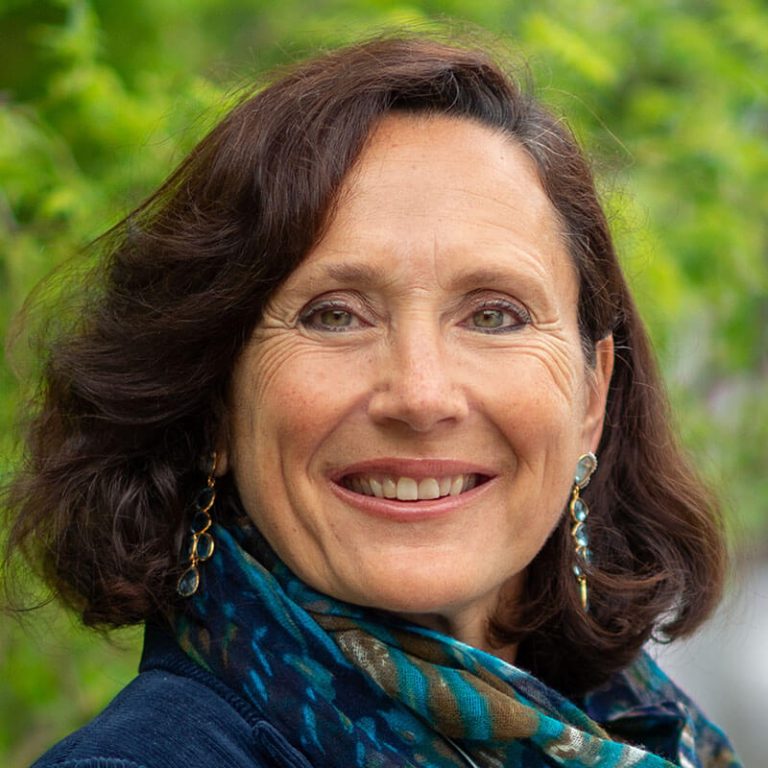
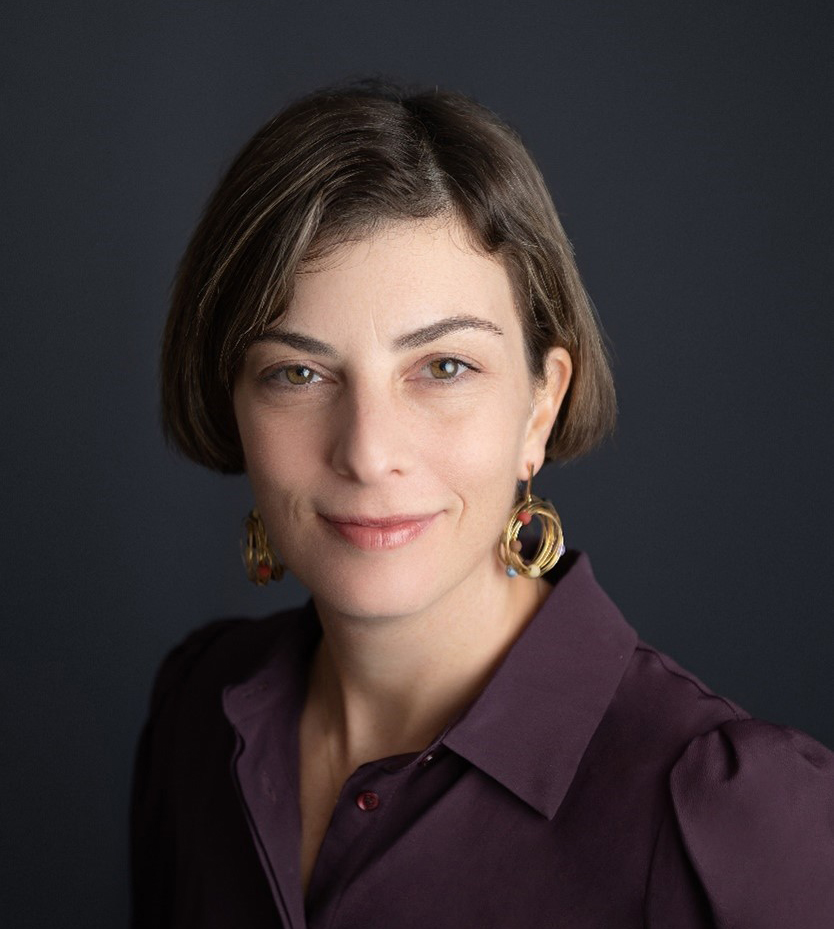
Sandrine Dixson-Declève
Sandrine Dixson-Declève is Global Ambassador for The Club of Rome and Executive Chair of Earth4All and divides...see more
Until recently, Sandrine was Chair for the European Commission Expert Group on Economic and Societal Impact of Research & Innovation (ESIR). She has also sat on the European Commission’s Mission on Climate Change & Adaptation.
Sandrine is a TED global speaker and recently published “Quel Monde Pour Demain” lucpire editions and Earth for All: A Survival Guide for Humanity. She was recognised by Reuters as one of 25 global female trailblazers in 2023 and by GreenBiz as one of the 30 most influential women across the globe driving change in the low carbon economy and promoting green business.
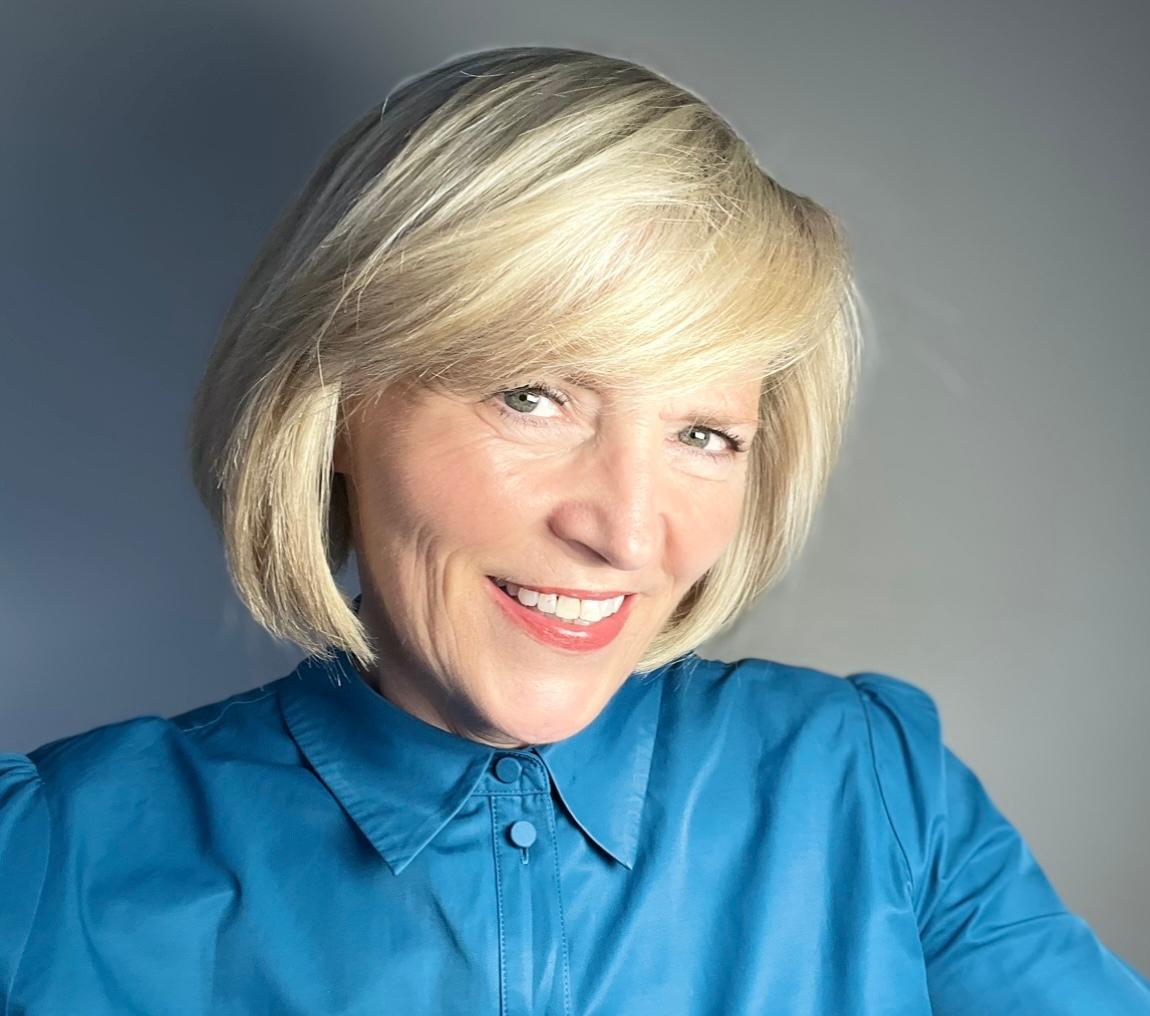
Alex Turk
Alex Turk has worked in television presenting live, recorded and Business TV from ITN, Channel 4 News...see more