Food Systems Podcast 99
Interview with Harvey Locke
Tuesday, Aug 04, 2026
In this interview, Harvey Locke, President of the Harvey Locke Conservation and Vice Chair for Nature Positive at the IUCN’s World Commission on Protected Areas (WCPA), discusses the panel he has just taken part in at the Forum Annual Conference. Harvey explores how reframing the connection between environmental and economic systems — using the Amazon rainforest and its link to global food security as a central example — could open up new financial solutions to environmental problems, and reflects on why the traditional “sweet spot” model of sustainable development no longer holds up.
Q: You were on the panel today with the Landbanking Group, and a UN spokesperson. What was your lens, and what were you saying?
Harvey said he has become interested in the idea of connecting environmental and economic problems differently than they are traditionally connected. He used the Amazon rainforest as his central example: beyond being an environmental tragedy, its disappearance is also an economic one, because the forest generates rainfall that sustains itself and also falls in the Rio de la Plata basin, one of the world’s major agricultural breadbaskets. Many scientists fear that if more than around 20% of the forest is cleared, this rain-generating mechanism could collapse, severely compromising agriculture in the basin. Harvey suggested applying a financial lens to this risk — for example, an insurance product that people could buy against that loss, with some of the premium funding forest protection. He framed this as reconnecting the dots: rather than treating environmental funding and agriculture as separate issues, recognising their biophysical connection opens up new ways to finance solutions, at a time when governments are citing competing priorities and limited funds.
Q: You can connect the dots by saying no fuel, no fertilizer, no food. We’re heading into planting season, sitting here in Brussels. Michael Werz also talked about connecting the dots in his talk this morning.
Harvey traced the knock-on effects of a potential agricultural collapse in the Rio de la Plata basin: tens of millions of people without food, governments too economically weakened to respond, and displacement as people move to find food. He noted that a primary buyer of that region’s food is China, and distinguished between a food price shock and an absolute supply shortage — the latter being a serious concern for China as a net food importer. He argued the root of this chain of consequences is an environmental problem — over-clearing the Amazon — which is inexpensive to prevent relative to the scale of economic losses that would follow an agricultural collapse, losses that would also hit the many European commercial enterprises invested in that agriculture. He described this as turning the problem upside down to find solutions that weren’t previously visible.
Q: You also said that the traditional Venn diagram model — the crossover between economy, environment and society — is a roadmap that no longer exists. Can you explain that?
Harvey argued this model was conceptually flawed from the start. He traced a historical trajectory: environmental concerns were once treated purely as externalities, before environment departments, assessments and treaties emerged, followed by the sustainable development concept in the late 1980s, which sought a “sweet spot” between environment, society and economy. He argued the correct framing is that the Earth is the context for everything humans do, humans are a subset of the Earth system, and the economy — only around 250 years old — is in turn a subset of human society, created to serve people rather than as an equal, competing interest. He said that if human society doesn’t operate in a way that sustains itself within the Earth system, there will be no human society left, and getting this conceptual framework right is essential, though it doesn’t mean halting all activity — rather, organising ourselves according to that reality.
Q: You live in Banff, near Calgary. Did you see the images from Artemis II of Earth as a “blue planet”? Someone at the press conference said, “what stands in the way becomes the way” — does that thread through the forum’s conversations?
Harvey reflected that people across the political spectrum broadly recognise things haven’t been managed correctly, and the real conversation is about what getting it right looks like. He described the Artemis II images of the Moon’s lifeless, pockmarked surface next to Earth as the only habitable place in the universe, and rejected the idea that humanity could simply move to another planet if Earth is degraded, calling it a crazy notion given that Earth provides everything humanity needs for free. He noted that the Earth, at over four billion years old, could continue without humans, who have existed for only a quarter of a million years — meaning it is in humanity’s own self-interest to stop actively degrading the systems (climate, biodiversity, oceans) that sustain it. He connected this to the “nature-positive” concept underpinning his work.
Q: Finally, did anything from the panel give you room for optimism about the path forward?
Harvey pointed to the composition of the panel itself as a hopeful sign — sharing the stage with a senior EU climate official, the head of investments at Munich Re, a representative from the Food and Agriculture Organization, and a colleague from the Land Banking Group working on nature finance. He noted that this kind of cross-sector conversation wouldn’t have happened 20 years ago. He described the necessary next step as not just listening, but genuinely hearing others, then being willing to imagine new ways to meet both your own and others’ needs — including inventing entirely new approaches where needed. He credited the Forum for the Future of Agriculture with doing valuable work in convening people willing to start that conversation.
This summary was created by AI. To watch or listen to the full recording visit the podcast page.
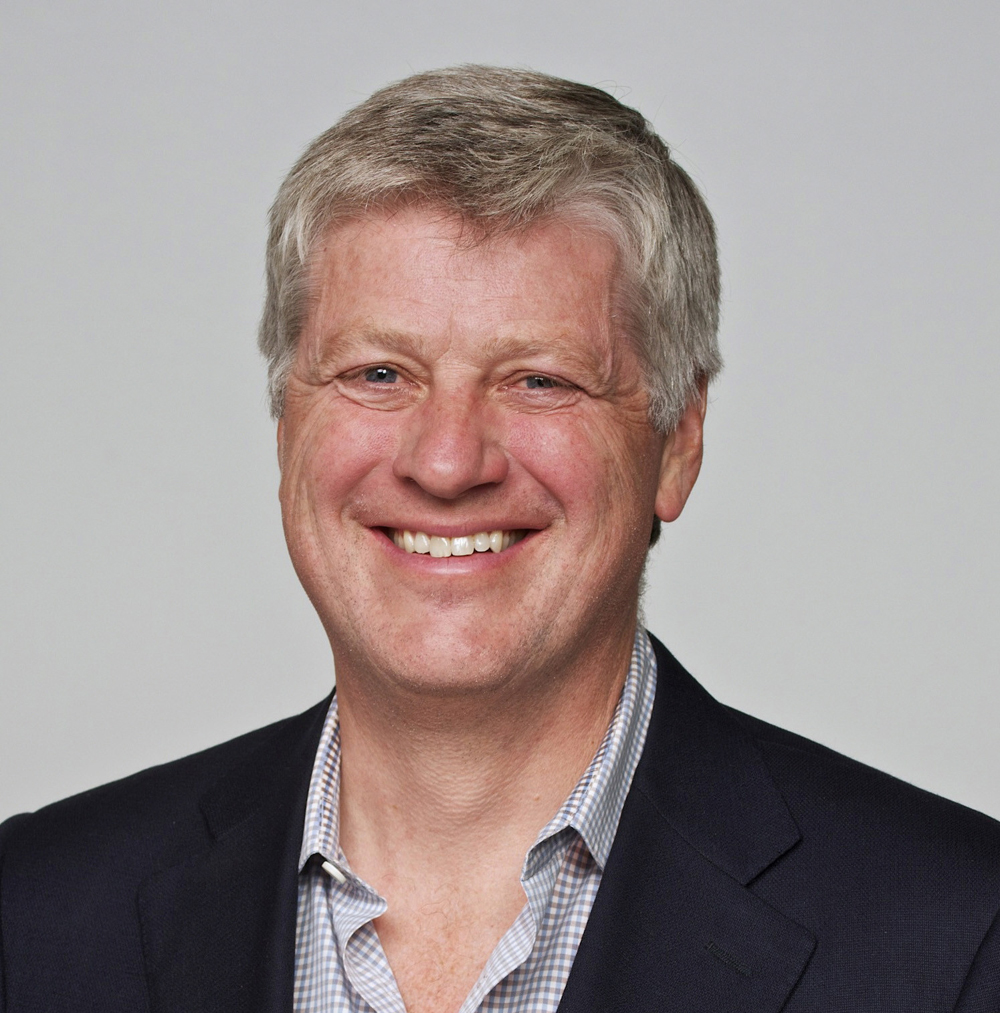
Harvey Locke
Harvey Locke is a globally recognized conservation leader. He is a co-founder of both the Yellowstone to...see more
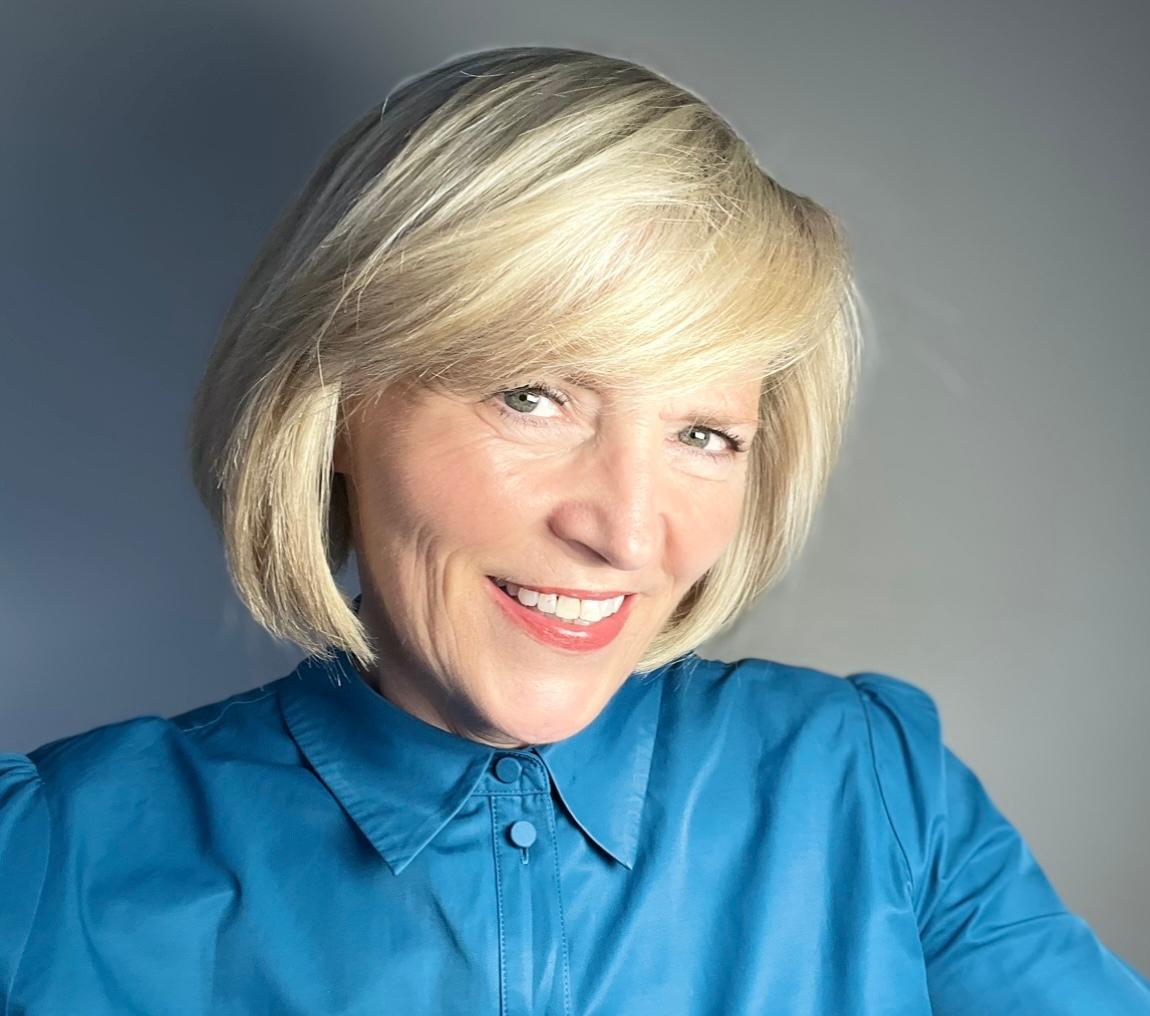
Alex Turk
Alex Turk has worked in television presenting live, recorded and Business TV from ITN, Channel 4 News...see more