Food Systems Podcast 109
Interview with Dr Leonard Mizzi
Tuesday, Nov 10, 2026
Climate shocks, trade disruptions and pressure on development budgets are sharpening the debate about how to invest in food security. How can the European Union and its partners build more resilient agri-food systems, and what will it take to attract investment where the risks are greatest?
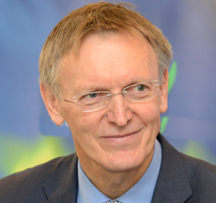
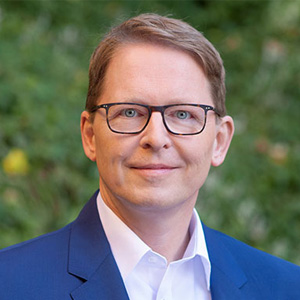
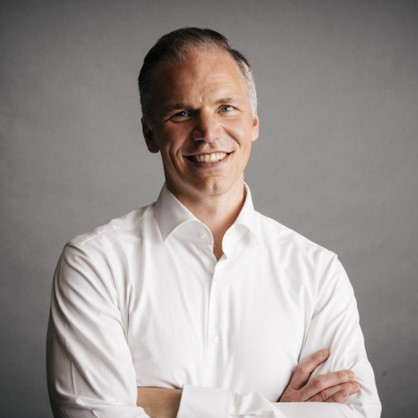
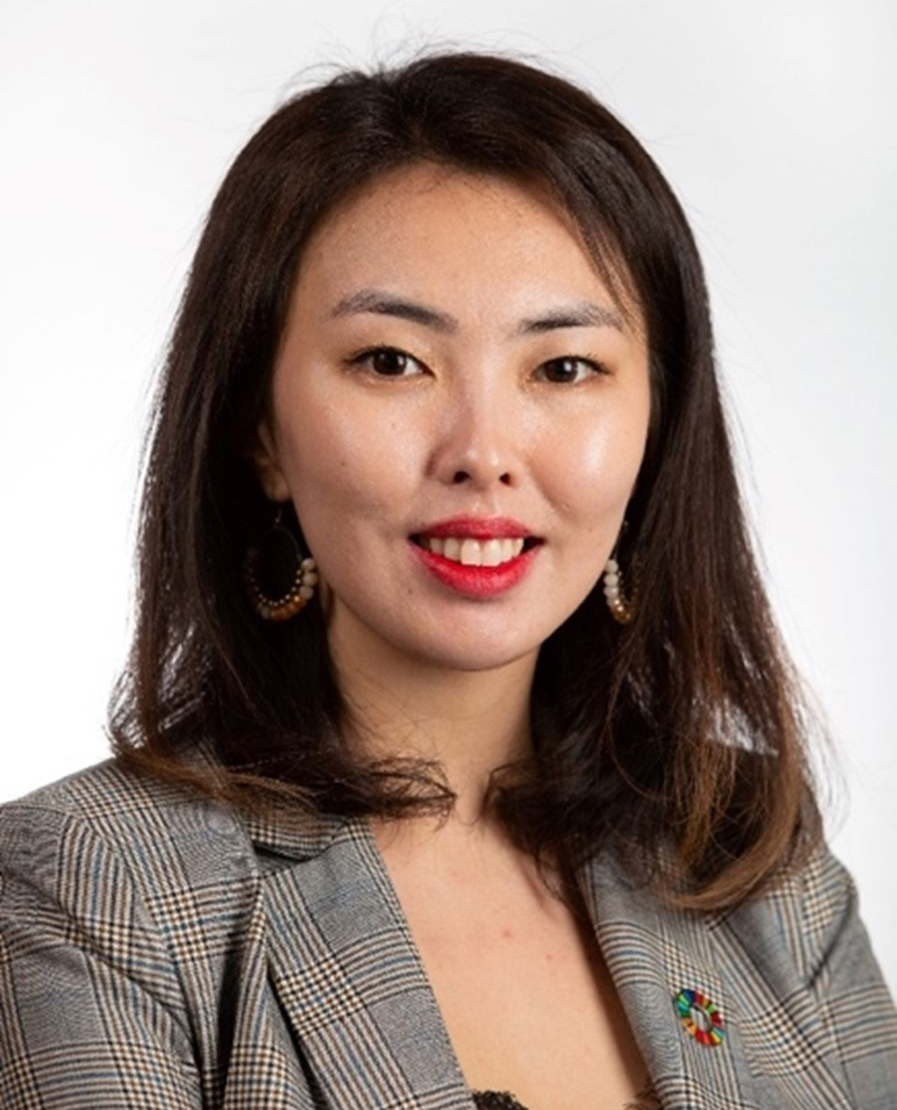
In this edition of the Food Systems Podcast, Mark Titterington speaks with Dr Leonard Mizzi, Adviser for Food Systems at the European Commission’s Directorate-General for International Partnerships (DG INTPA). They discuss the EU’s Global Gateway, the future of multilateral cooperation and the case for investing in resilience before a crisis hits.
How far is the EU’s Global Gateway reaching agriculture and food security?
Leonard sees Global Gateway’s work on agriculture as still at an early stage, with scope to expand. Ports, cold storage and warehouses can improve the movement of food, while vocational training and skills development help people make use of that infrastructure. Each value chain has different needs. In cocoa, investment may need to address deforestation. In livestock, cold storage needs to sit alongside support for pastoral communities. Fruit and vegetable producers may need help meeting food safety and plant health standards.
Regional corridors can also connect producers with markets across borders. Leonard points to the Lobito Corridor as an example of how investment could support trade between Zambia, the Democratic Republic of the Congo and Angola. The challenge is finding ways for financial institutions to manage agricultural risks at sufficient scale.
What can investment in food systems achieve beyond increasing production?
Leonard links food system resilience to employment, climate adaptation and economic stability. Investment that helps producers prepare for drought or other shocks can also support jobs for young people. Where projects are designed around local needs, they can contribute to better nutrition, health and biodiversity alongside economic growth.
The hardest places to reach are often those most exposed to disruption. Investment tends to flow to countries already well positioned to attract it. In fragile settings, Leonard sees a role for cooperation between development and humanitarian organisations to anticipate shocks and protect livelihoods. Climate monitoring and insurance are among the tools that could help governments and producers prepare.
How can public, private and philanthropic finance work together in fragile settings?
Mark raised the risk of a project depending heavily on one source of funding. If that support falls away before other partners come in, the whole initiative can be put at risk. Leonard argues that tighter aid budgets make it more important to involve businesses, development banks and philanthropies in planning investments and agreeing how to share risk.
The right instruments depend on the project. A guarantee could reduce some of the risks facing private investors, while a combination of public and commercial finance might help a project get started. Philanthropy could help bridge some funding gaps. Leonard calls for closer coordination through Team Europe and more dialogue with investors, particularly in areas such as pastoral systems and the blue economy, where investments may be more complex.
What does a tighter funding environment mean for multilateral cooperation on food security?
Leonard says the EU remains a major supporter of the multilateral system and sees the UN80 reform process as an opportunity to clarify where different agencies can have the greatest impact. UN resident coordinators can help identify which organisations are best placed to act in each country. Closer cooperation among the Rome-based agencies and other UN bodies could also improve how they support countries facing overlapping humanitarian and development needs.
He sees scope to involve a wider group of partners, including Gulf states, Brazil and India. In his view, initiatives such as the Global Alliance Against Hunger and Poverty, along with discussions at the G20, can help bring more countries into that effort.
How can international partners agree on clearer priorities?
Leonard argues that governments and their partners need to focus on a manageable set of priorities that countries themselves support. Those choices also need to make sense across borders. A West African country planning to expand rice production, for example, should consider where it can source supplies domestically and how its plans fit with regional and international trade.
The priorities will differ by sector. Export crops such as cocoa, coffee and cashew can generate foreign exchange, while fruit, vegetables and crops that have received less investment may serve mainly local and regional markets. Decisions about where to invest over the next five to ten years need to take account of climate exposure, market demand and the policy conditions farmers and businesses face.
How can governments and financial institutions make the case for investing in resilience?
Mark asked how to make the value of prevention visible when the benefits may only become clear years later. Leonard argues that food system resilience needs support at the highest levels of government. Agriculture ministries, finance ministries and institutions such as the World Bank and International Monetary Fund should be involved in discussions about which value chains can withstand climate shocks and where investment can have the greatest effect.
Regional planning can help neighbouring countries identify where their production and infrastructure needs complement one another. Fisheries, for example, may require ports, cold chains and trained workers. Planning those investments together can give them the scale and reach that individual projects would struggle to achieve.
What can EU-Africa cooperation learn from Europe’s experience?
Leonard points to the EU’s Common Agricultural Policy as an example of what a common framework can provide. In Africa, regional economic communities and the African Continental Free Trade Area can help align national plans and give businesses more predictable access to larger markets. Greater predictability and the ability to spread risk matter to private investors.
He sees the dialogue between the EU, the African Union and regional bodies as a way to agree where limited funds can serve shared interests. Possible areas include transboundary animal diseases, deforestation-free supply chains and the bioeconomy. Targeted public funding can also support research and climate adaptation, including in fragile areas that struggle to attract private capital.
Where does Leonard see opportunities for young people in agri-food?
Youth employment is one of the biggest challenges Leonard sees over the next ten to fifteen years. He highlights opportunities where agriculture connects with the services economy and where digital tools and artificial intelligence can open up new types of work. Stronger regional markets could support those opportunities by giving businesses room to grow and helping countries meet more of their food needs within the region.
What are the priorities for the years ahead, and how optimistic is Leonard?
Leonard sees geopolitical disruptions and climate extremes keeping food and nutrition security high on the agenda. He identifies the bioeconomy as one area where cooperation across agriculture, climate and environmental policy could lead to practical investment. He points to biofertilisers and the potential use of algae and seaweed in fertiliser production as examples that merit closer attention.
His optimism depends on governments making food security a priority in both domestic and international policy, and on partners agreeing where their interests overlap. He sees the next two to three years as a window to set those priorities and put financing and partnerships in place for the years that follow.

Leonard Mizzi
Dr. Leonard Mizzi is Adviser Food Systems in DG INTPA following almost 20 years of management roles...see more
Mark Titterington
Mark is a Co-founder and a former Director of the Forum for the Future of Agriculture. He is now...see more