Food Systems Podcast 68
In discussion with Shari Rogge-Fidler
Friday, Apr 04, 2025
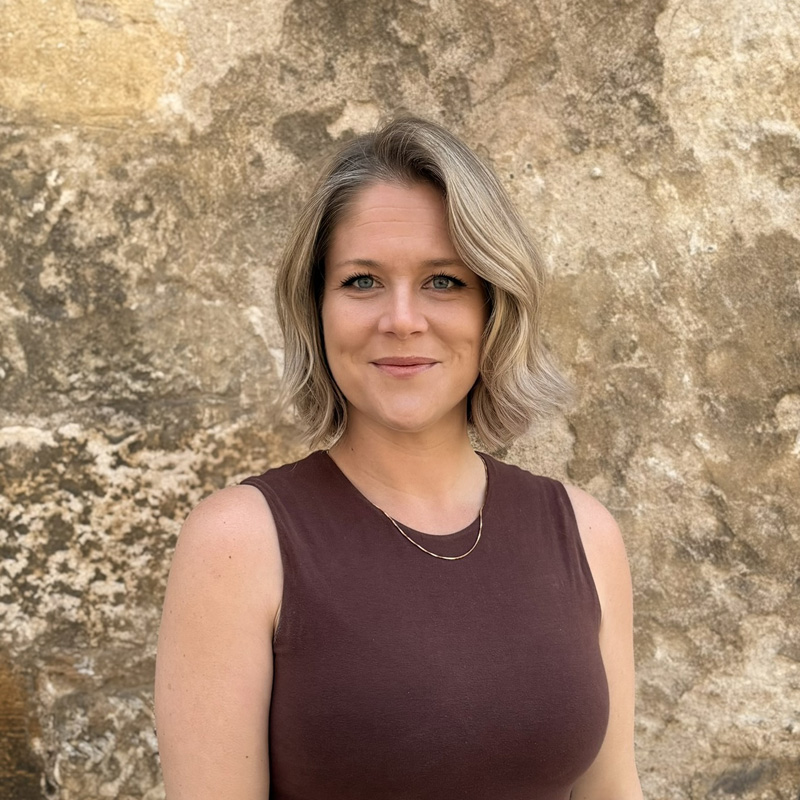
Mark Titterington is joined by Shari Rogge-Fidler, CEO of the Farm Foundation in the US and a farmer herself. They discuss the sentiment among US farmers facing shifting policies and market uncertainties, the Foundation’s priorities for the year, and the insights she hopes to bring back from her visit to Europe.

Here is a summary of the conversation.
What’s the mood amongst US farmers? How are they feeling about the season ahead?
I’ve been listening to farmers all across the US, big and small, and with different crops and animal production. Some have a “hold-do-nothing” strategy and that causes concern about the implications across the whole economy – no new investments, for example.
Some others take a short term view: just trying to make it through this year. With 80% of farmers having voted for President Trump, there’s a lot of goodwill and hope for policy changes. Farmers also acknowledge a very difficult year primarily because of trade tariffs alongside tight profit margins.
Other entities take a longer-term view, and are reviewing their business strategy, considering how they can diversify their business to capture more value. Farming operations that are diversified are in a good, resilient position.
Would this evolution in farm businesses have happened anyway, independent of Administration changes?
It was definitely a trend, but the changes have catalysed and accelerated it. It might also accelerate the loss of farm families in the U.S. Those who can adapt and be agile will persist.
How is Farm Foundation responding to the changes, what’s on your agenda, and why?
We are keeping current priorities, one of which is trade and new markets. We want to keep dialogue going with evidence-based conversations. We’re developing our next year’s strategy, and taking time to reflect. In May, we’re holding a summit, with two former US Agriculture Secretaries and thought leaders from the whole food chain, to look at the next 5-10 years and how the policy shifts will lead to changes in US and global food and agriculture. I’m excited that with every challenge come opportunities.
We’ve worked together for several years, including on setting up the Global Forum for Farm Policy and Innovation (GFFPI), along with the Canadian Agri-Food Policy Institute and the Australian Farm Institute. How important was it to take that step then, and why? What have we achieved and how important is GFFPI today?
We established GFFPI because we shared the same values of independence and what that brings to our sector, as well as a global perspective. Our original agenda was on trade and sustainability and both public and private sector had energy and momentum in those areas, so we aligned. Now, it’s very different with headwinds, tailwinds and turbulence. So it’s even more important to have an independent voice and keep a global agenda, global relationships and global partnerships going.
One key question arises: what is the role of the private sector, governments, NGOs, and global organizations like OECD, WTO, and FAO? We know the future will differ from the past, and our role is to maintain an independent, evidence-based system.
You’ve joined us at our Annual Conference once again. What do you hope to learn this time and take back to the US?
I’ve valued going to Washington in the first months of the Administration, and I value coming and listening to European perspectives. This includes understanding not only European views on the US but also their general mindset. There’s also a lot changing here in Europe just now. As a farmer I’ve always valued sharing and exchanging with the farmers who are here, and conversations in person go a bit deeper than reading a white paper afterwards.
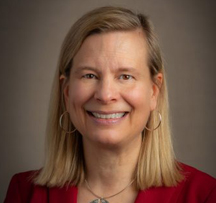
Shari Rogge-Fidler
Shari is president and CEO of Farm Foundation with over 25 years of global leadership and executive...see more