Food Systems Podcast 72
In discussion with Jacques Naudé
Tuesday, Jul 01, 2025

For the final of our three podcasts featuring the finalists from the recent Land and Soil Management Award, Mark Titterington is joined by Jacques Naudé, founder of Joseph’s Dream in Portugal, who were awarded a diploma of recognition in the Land and Soil Management Award at the Forum’s recent Annual Conference. They discuss how the project is bringing new life to abandoned lands through organic regenerative agriculture with a strong social commitment, revitalising degraded soils and contributing to rural regeneration.

Jacques, you have a fascinating story, from being a rugby captain in South Africa to running a successful almond and walnut orchard business in Portugal. How did that happen?
It was quite a journey! After playing professional rugby in France for 10 years, I wanted to do something with a bit of impact, even though most of my friends went into banking or insurance.
I’d never been to Portugal before, and I had this strange feeling – almost a dream, which is why I called the company Joseph’s Dream – that I needed to come here. I arrived in the poorest area of Portugal, the centre, with not a lot of money. I’d done some permaculture courses and run a community vegetable garden. I wanted to do something with the land, and the European Union offered co-financing for investment projects in our area. My first farm was 14 hectares with a house, I got involved with fully organic, regenerative farming. It was a very steep learning curve, and over time, people got interested and that’s where the business side started.
You didn’t just jump into traditional farming, you went right into regenerative agriculture. Why, and what’s driving you?
I wanted to do something different, have an impact. I struggled for the first six months figuring out the best way to do that. I saw this area was completely abandoned, with the population dropping for 40 years. I thought if I applied some of my business sense, there were a lot of opportunities to take degraded, abandoned land and allow capital and expertise to flow in to change it.
So, why organic regenerative? I wanted to have an impact, and I didn’t want pesticides sprayed if we had kids on the farm. I had this dream that organic regenerative agriculture can be more mainstream, successful, and scale.
Tell us more about Joseph’s Dream – the vision behind it and how it’s developed.
Not having a lot of capital myself, and knowing that perennial crops like almonds take years to bear fruit (unlike cash crops), things developed when people started contacting me. They were very interested in what we were doing because the farm looks beautiful, especially with the cover crops in springtime.
I realized I couldn’t manage it alone; I needed a team and infrastructure. So now, we have over 20 families involved. We find adequate, often degraded and abandoned land for them, set up their companies and my team manages the farms and clients.
We started with almonds, recently added walnuts. We’ve bought close to 1,000 hectares already, so it’s grown very quickly. It’s been a massive learning curve. Honestly, if I was just doing conventional farming, my life would be a lot easier, probably even more profitable if you only look at economic metrics. But from a holistic view, what we’re doing is exactly the right thing.

You’ve talked about bringing regenerative farming together with this community initiative. How important has that been, and what success are you having in marrying the social goal with a regenerative goal?
Community has been very important. The depopulation here was a shock. My sister and her family came first, then my parents built a house on the farm, and my other sister and her husband came over. My two brothers-in-law, neither from farming backgrounds, have even started blueberry plantations. It’s been wonderful to see how people connect with the land. Many families have already moved into this area from outside and others have bought farms, hoping to move here once their crops produce.
Looking back, what do you think have been some of the critical success factors that have enabled you to get where you are?
The first couple of years were really difficult. I didn’t know anything, and I was taking on big, capital-intensive projects with no capital. Banks weren’t keen to lend in this depopulated area. The biggest factor has been perseverance. These systems take a long time. Some people, after a year or two, start to get impatient about returns. But the systems we’re building to rejuvenate the soils take time.
Capital is always a dream to have more of, and it’s hard to come by. The EU has been a great help, offering 50% co-financing on most projects, even up to 60% with an upfront amount for young farmers. We’re using those projects to expand, even incorporating sheep and other animals into the orchard.
Are your customers engaging and are they appreciative of your efforts? And are you getting paid more for what you’re doing and the way you’re doing it?
With walnuts, for example, there’s no direct consumers and farmers, there’s a vast global supply chain. I get standard organic prices, which are only about 15% higher than conventional prices. Fortunately, I receive subsidies from the EU of about €1,000 per hectare annually for my organic farm, covering roughly half my costs in non-producing years.
I’m working with farmers in Spain, Italy, and France to create an ‘organic regenerative Iberian almond’ initiative. Our costs and our yields are lower than conventional farms, and our context is different – but today we’re not getting paid more despite our efforts.
What’s your message to people thinking about jumping in and doing what you’ve done?
When you start with nothing, it’s an absolute grind from day one. If someone wants to start something like this, I’d advise them to have an off-farm income source while setting up. The other thing is nothing happens overnight; it takes years. I first planted almonds, then added animals, then started making compost and fertilizer. Now we’re setting up a co-op. It takes about 10 years to set up a proper perennial organic regenerative system. The learning curve is massive.
On a positive note, there is a lot of capital out there looking for a home!

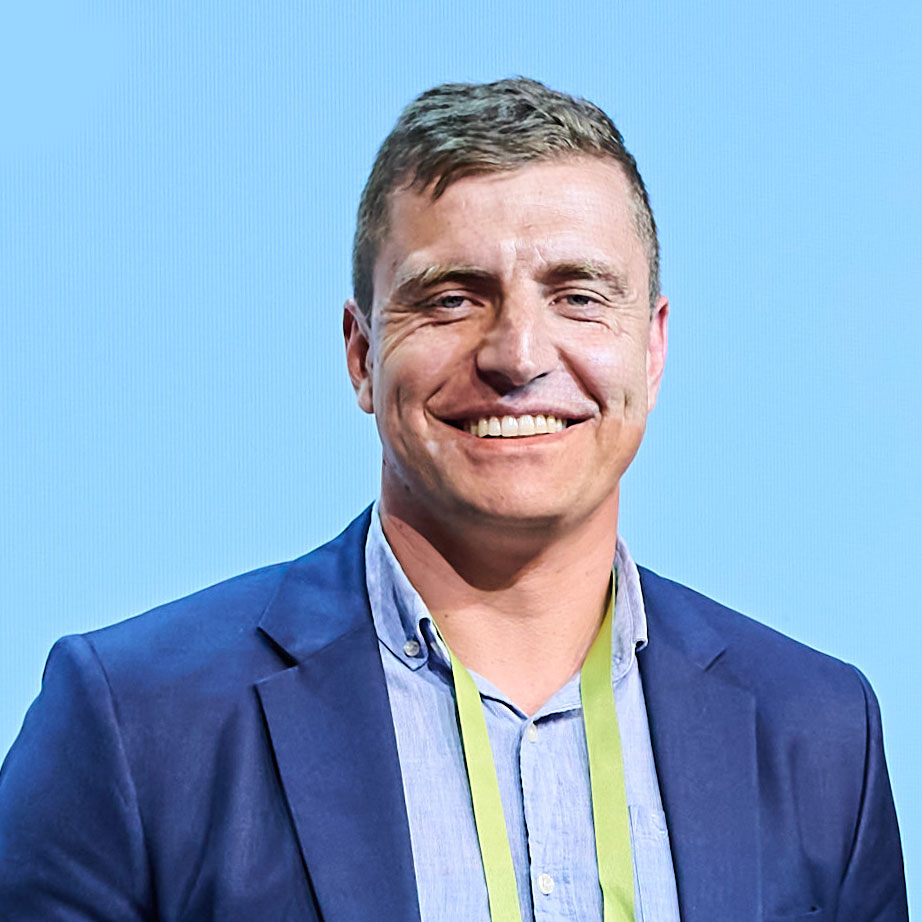
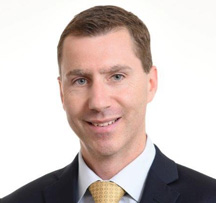
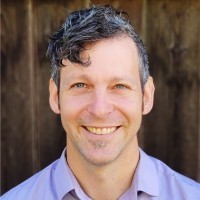
Jacques Naudé
Jacques Naudé, is the founder of Joseph’s Dream in Portugal, the project is bringing new life to...see more